

What Is LEED Certification? LEED Explained Simply [2026]
 A. Togay Koralturk
Last updated on July 26, 2026
7 min read
A. Togay Koralturk
Last updated on July 26, 2026
7 min read
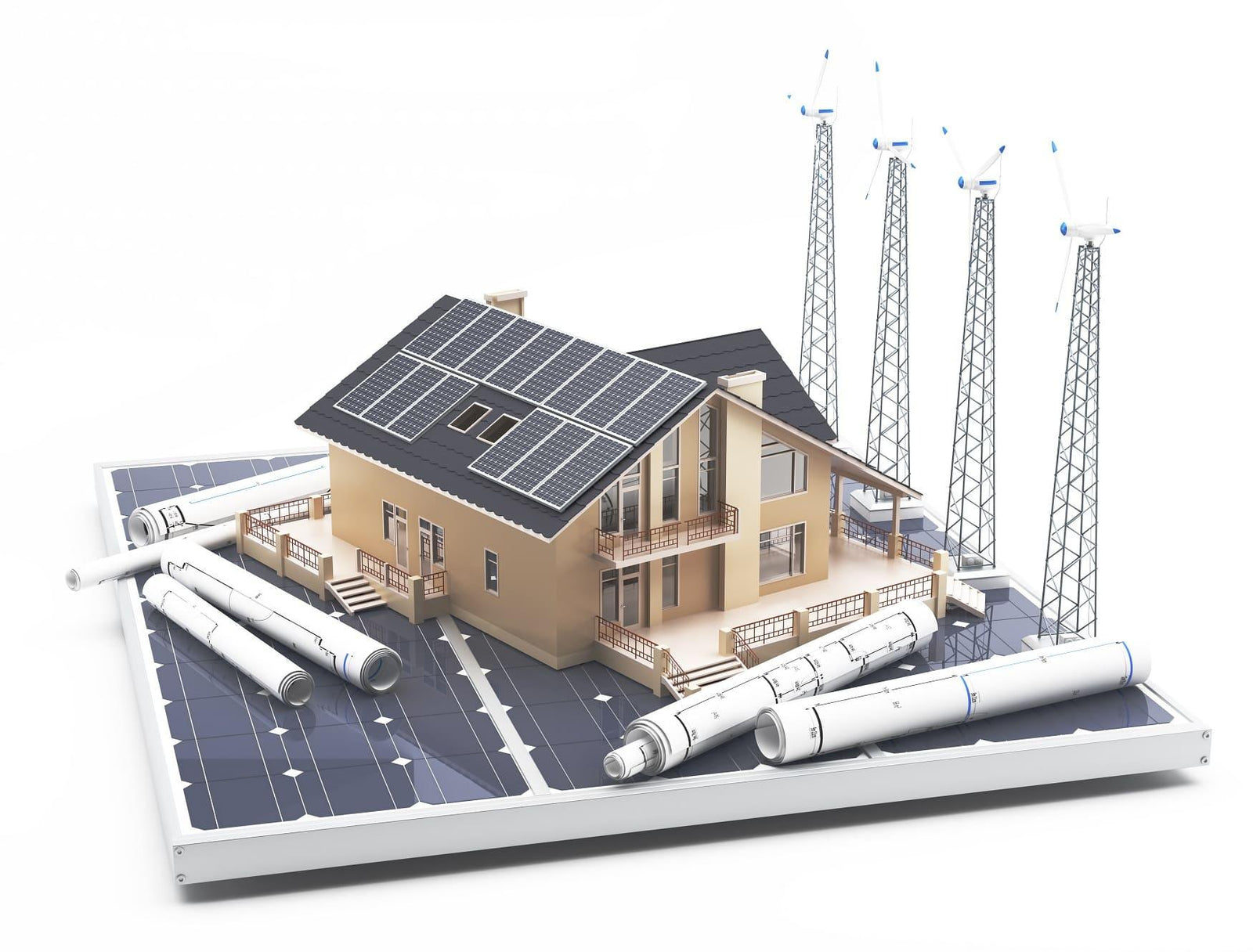

Somewhere in almost every city skyline, a building is quietly outperforming its neighbors: using less energy, less water, and better air, with a plaque in the lobby to prove it was all verified. The plaque says LEED, and behind those four letters sits the machinery that has defined "green building" for three decades: a point system, a review process, two organizations, and a credential ladder for the people involved. Understanding that machinery takes one well-organized page. This guide is that page: what LEED certification is, how it works, the four levels, who runs it, what can be certified, why it matters, and where your own career fits in.
What is LEED certification?
LEED certification is the world's most widely used green building rating system: a voluntary, consensus-based program in which buildings earn points for verified sustainable design, construction, and operations, and receive Certified, Silver, Gold, or Platinum status after third-party review.
Exam tip: LEED is a voluntary, consensus-based, third-party-verified rating system. It is very important to remember these three characteristics for exam purposes.
Each of those three adjectives carries weight. Voluntary means no law forces a project to certify; owners choose it, which is why the certification signals genuine commitment rather than compliance. Consensus-based means the standard is written by committees drawn from across the building industry rather than decreed by any single interest. And third-party-verified means a building cannot grade its own homework: an independent body reviews the evidence before any certificate is issued. Put together, they explain why the plaque became the global shorthand for a green building: it is a claim someone else checked, against a standard the whole industry wrote, that nobody was required to attempt.
What does LEED stand for?
LEED stands for Leadership in Energy and Environmental Design, the name USGBC gave its rating system when green building needed a common measuring stick. The acronym has its own story, which our guide to what LEED stands for tells in full.
For this page's purposes, the name matters because it announces the scope: not just energy, and not just design. The system scores buildings across energy, water, materials, location, indoor environmental quality, and more, over their whole life from design through operations, which is what separates a rating system from an efficiency label. If you have seen narrower green labels (an appliance sticker, an energy score), think of LEED as the whole-building, whole-lifecycle version of that idea, with LEED v5 as its current generation.
Ready to earn your LEED credential?
 Trusted by 200,000+ Learners


How does LEED certification work?
A project selects its rating system, meets every mandatory prerequisite, earns optional credits worth points (110 available on a 100-point basis), documents everything, and passes GBCI's review; the points determine the level.
The system's genius is the two-tier structure of prerequisites and credits. Prerequisites are the mandatory floor: every certified building, whatever its level, met all of them, and they earn no points. Credits are the optional ladder: the LEED scorecard lays out all 110 points across categories led by Energy and Atmosphere, and each project chooses the credits that fit its design and budget. The full requirement stack adds the eligibility conditions, and the certification process runs it end to end: register on Arc, document, submit, review, award. What the machinery buys is credibility, because every point on the certificate survived an independent reviewer.
The four LEED certification levels
Points determine one of four levels: Certified at 40–49, Silver at 50–59, Gold at 60–79, and Platinum at 80 or more, with LEED v5 adding specific decarbonization requirements that gate Platinum.
| Level | Points |
|---|---|
| Certified | 40–49 |
| Silver | 50–59 |
| Gold | 60–79 |
| Platinum | 80+ (plus v5 decarbonization gates) |
The ladder gives the market a graded signal rather than a binary one: a tenant or buyer can compare a Silver building to a Gold one and know what the difference means, because both were scored on the same scale by the same reviewer. The levels guide covers each tier's thresholds and strategies in depth, including the v5 rule worth knowing early: Platinum is no longer points alone, but points plus mandatory decarbonization credits, which makes the top level a statement about what the building is, not just what it scored.
Who runs LEED? USGBC and GBCI
Two organizations split the system deliberately: the U.S. Green Building Council (USGBC) develops the LEED standard, and Green Business Certification Inc. (GBCI) independently verifies projects and administers the professional credential exams.
| Role | USGBC | GBCI |
|---|---|---|
| Writes and updates the LEED standard | ✓ | |
| Reviews and certifies projects | ✓ | |
| Administers the credential exams | ✓ |
The separation answers the obvious credibility question: the body that writes the standard should not be the body grading against it. USGBC, a nonprofit founded in 1993, develops LEED through its consensus process and leads the education, advocacy, and community around it; GBCI performs the third-party verification that makes every certificate and credential mean something. The division confuses newcomers constantly (you register for exams at usgbc.org, but GBCI grades them), and USGBC's own what-is-LEED explainer keeps the roles straight; it is one of the most reliably tested facts on the LEED exams.
What can be LEED certified?
Almost any building or space: new construction and major renovations certify under BD+C, interior fit-outs under ID+C, existing buildings in operation under O+M, and homes under the residential program, with further programs for neighborhoods, portfolios, and cities.
The rating systems exist so a hospital under construction, a leased office floor, and a twenty-year-old tower are each graded fairly against their own reality, and every project certifies under exactly one. The range in practice is wider than most people expect: famous certified buildings include the Empire State Building, an airport terminal, a McDonald's, and a brewery, while LEED for homes brings the same verification to houses, with a Green Rater inspecting on site. If it has walls and a roof, there is likely a rating system for it; the selection rules do the sorting.
Why LEED certification matters
Certification matters because it converts green claims into verified facts, and the facts are material: green buildings measurably cut energy, water, and carbon, operate more cheaply, and provide healthier indoor environments, with the evidence attributed in measured studies.
The case runs on three levels. For the planet, buildings are the highest-leverage sector there is: in the United States they account for 38% of CO2 emissions and 72% of electricity consumption, so a system that verifiably shrinks building footprints is a climate instrument. For owners and tenants, the benefits arrive as lower operating costs, market position, and occupant health, weighed honestly against the certification costs. And for the market as a whole, green building is now the industry's standard practice and keeps expanding, which means the certification that proves fluency in it compounds in value; the same logic applies to individuals, as our guide to whether LEED certification is worth it for your career lays out role by role.
LEED and your career
People do not get LEED certified; they get LEED accredited, and the path starts with the LEED Green Associate exam: no prerequisites, a few weeks of study, and a credential the entire building industry recognizes.
Every certified building in this guide was delivered by people who knew the system, and the credential ladder exists to verify exactly that knowledge. The LEED accreditation guide maps the whole ladder (Green Associate, then the LEED AP specialties, then Fellow), and the step-by-step path to the first credential fits inside one to two months for most candidates. Everything this page compressed (the process, the levels, the organizations, the vocabulary) is precisely what the entry exam tests, and it is taught in full, in exam order, in our best-selling LEED Green Associate study guide: the fastest route from reading about the plaque to being one of the people who earns them.
Ready to earn your LEED credential?
Trusted by 200,000+ Learners
Frequently Asked Questions
What is LEED certification in simple terms?
It is a scoring system for green buildings: projects earn points for verified sustainable design, construction, and operations, and the total determines a level from Certified to Platinum. An independent reviewer checks everything before the certificate is issued.
What does LEED certified mean?
It means a building's green performance was documented and verified by a third party (GBCI) against the LEED standard, earning at least 40 points after meeting every mandatory prerequisite. The claim is checkable in USGBC's public project directory.
Is LEED certification mandatory?
No. LEED is a voluntary standard: owners choose to pursue it, which is part of its signal value. Some governments require or incentivize it for public buildings, but the system itself is market-driven rather than legal.
Who certifies LEED buildings?
Green Business Certification Inc. (GBCI) reviews project documentation and grants the certification. USGBC develops the standard itself, and the separation between the two keeps the verification independent.
What are the LEED certification levels?
Four: Certified (40–49 points), Silver (50–59), Gold (60–79), and Platinum (80 or more), scored on a 100-point basis with 110 points available. Under LEED v5, Platinum additionally requires specific decarbonization credits.
How much does LEED certification cost?
For buildings, fees scale with project size and type, alongside the design and documentation effort. For people, the LEED Green Associate exam costs $250 ($200 for USGBC members, $100 for students), per USGBC.
Are the LEED fundamentals on the LEED Green Associate exam?
Effectively yes: the exam's foundation is exactly this page's material, including LEED's voluntary, consensus-based, third-party-verified nature, the prerequisite-credit structure, the levels, and the USGBC-GBCI division of roles.
Is LEED certification on the LEED AP BD+C exam?
Yes, at project depth: the AP BD+C exam assumes the fundamentals and tests how certification actually runs on a Building Design and Construction project, from credit selection through documentation and review.

LEED Green Associate V5 Exam: The Complete 2026 Guide
Complete LEED Green Associate v5 exam guide: format, cost, study time, registration steps, pass rate, exam tips, and FAQs. Updated for 2026.

How to Get LEED Certified: LEED Accreditation Guide [2026]
How to get LEED certified as a person: the LEED accreditation ladder from Green Associate to AP and Fellow, exam costs, which credential to earn first.

How to Become a LEED Green Associate: Exam & Steps [2026]
How to become a LEED Green Associate in four steps: what the exam covers, how to prepare, registration and fees, and what to expect on exam day. Start here.
