

LEED Green Associate vs LEED AP: The Difference [2026]
 A. Togay Koralturk
Last updated on September 05, 2026
8 min read
A. Togay Koralturk
Last updated on September 05, 2026
8 min read
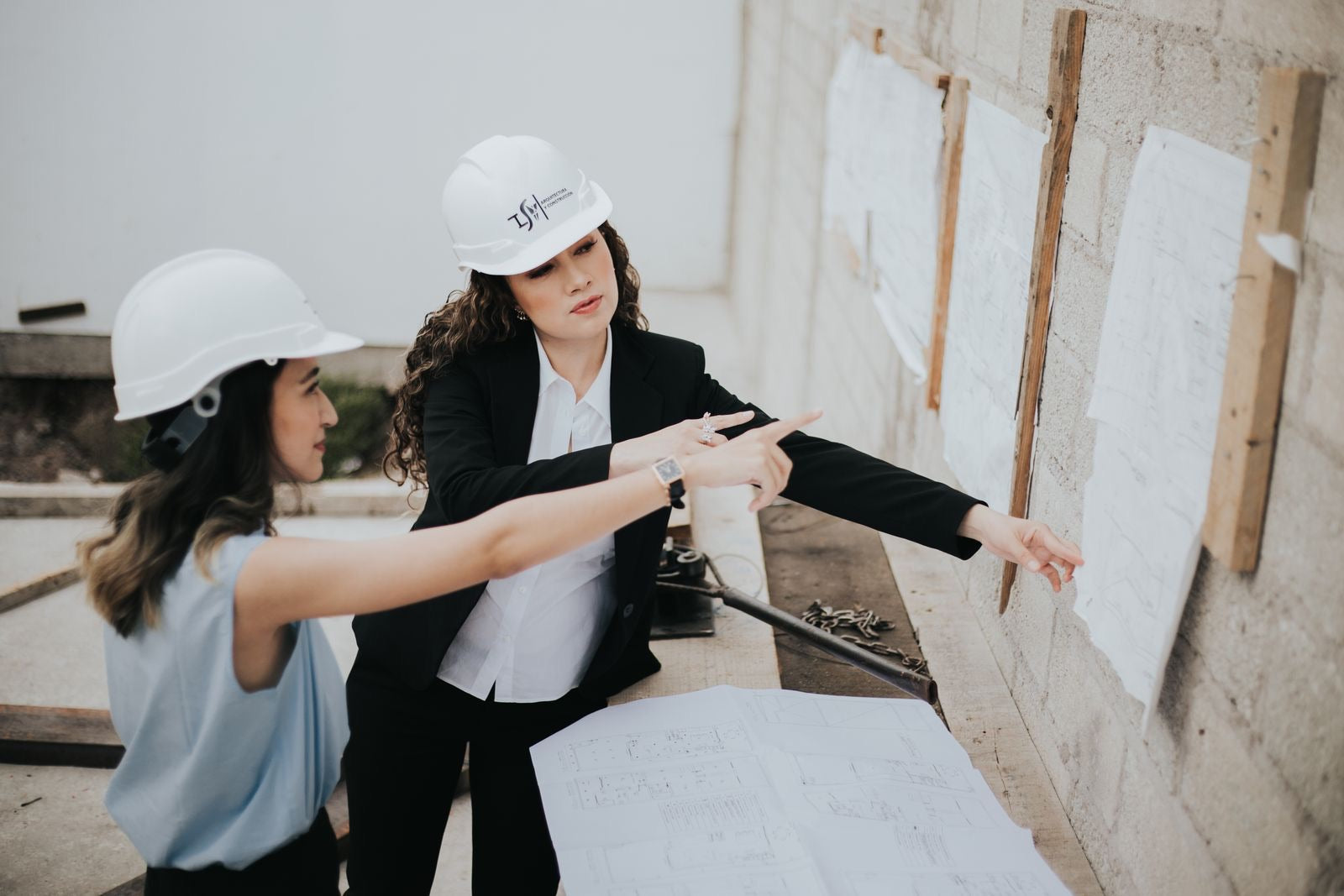

Both credentials put LEED after your name, and to anyone outside green building they look interchangeable. Inside the industry, the difference is the one hiring managers read instantly: one says you speak the language, the other says you can run the project. Choosing between them (or, more precisely, choosing how far up the ladder to climb) shapes your study plan, your budget, and what your resume signals for years. This guide lays out the real difference between the LEED Green Associate and the LEED AP: what each credential means, the requirements and costs, how the exams compare, and how to decide which one your career actually needs.
What is the LEED Green Associate?
The LEED Green Associate is the entry-level professional credential from the Green Business Certification Inc. (GBCI): it verifies broad, current knowledge of green building principles and how the LEED rating system works, without requiring any project experience.
Think of it as green-building literacy, certified. A Green Associate can read a LEED scorecard, knows what prerequisites and credits are, understands why a project chases water and energy performance, and can sit in a project meeting without needing the acronyms translated. Because there is no experience requirement, it is the natural first credential for students, career changers, marketers, real estate professionals, and anyone whose work touches buildings. It is earned by passing one exam, and our step-by-step guide to becoming a Green Associate walks through the entire path.
What is a LEED AP?
A LEED AP (Accredited Professional) with specialty holds the advanced credential: it verifies that you can apply LEED on real projects, from credit strategies and documentation to the trade-offs between building systems, within one of five specialties.
Where the Green Associate proves you understand the game, the AP proves you can play it. The five specialties (Building Design and Construction, Operations and Maintenance, Interior Design and Construction, Neighborhood Development, and Homes) each map to a rating-system family and a career lane, and BD+C is the most widely held because new construction is where most LEED work happens. The credential carries direct project value too: projects can earn a point for having a LEED AP with the relevant specialty on the team, and the deeper reason firms want one is that the AP is the person who steers the certification itself. Our LEED AP overview maps all five specialties in detail.
Ready to earn your LEED credential?
 200,000+ Learners and Counting


LEED Green Associate vs LEED AP: the differences side by side
The credentials differ on five axes: depth of knowledge, project applicability, prerequisites, maintenance load, and what they signal to employers. The Green Associate certifies breadth across all of LEED; the AP certifies depth in one specialty plus the ability to execute.
| Dimension | LEED Green Associate | LEED AP with specialty |
|---|---|---|
| What it proves | Green-building and LEED literacy | Applied LEED expertise in a specialty |
| Prerequisite | None | Active Green Associate credential |
| Specialties | None (one general credential) | Five (BD+C, O+M, ID+C, ND, Homes) |
| Typical holder | Students, newcomers, adjacent professions | Project leads, consultants, designers |
| Employer signal | Speaks the language | Can run the certification |
The depth difference is the one that matters most in practice. A Green Associate question asks what a concept is; an AP question asks what your project should do about it, at which certification level, documented how. That is also why the two credentials mark different depths of involvement rather than different professions. For a facility manager, owner's representative, or building product representative who needs technical fluency in LEED without administering it, the Green Associate is often the right endpoint. For students and early-career architects and engineers — and for anyone leading design or construction on LEED projects — it is the on-ramp to AP BD+C.
Do you have to earn the Green Associate first?
Yes. GBCI requires an active Green Associate credential at the moment you register for any LEED AP specialty exam, so the sequence is fixed: Green Associate first, AP second.
The requirement is less bureaucratic than it looks. The AP exam assumes the entire Green Associate body of knowledge and builds project-level application on top of it, so the first credential genuinely is the foundation of the second. For candidates who already know they want the AP, the practical consequence is to plan both exams as one campaign rather than two separate projects: the Green Associate material you master stays live in the AP study plan, and momentum matters. That is exactly the case our combined Green Associate and AP BD+C prep pack is built for: one system covering both exams in sequence, so nothing gets re-learned twice. Whether the whole climb is worth it for your situation is a fair question, and we make the case honestly here.
Cost and maintenance compared
The Green Associate exam costs $250 ($200 for USGBC members, $100 for students); each LEED AP specialty exam costs $350 ($250 for members), with no student rate. Maintenance follows the same pattern: 15 continuing-education hours per two-year cycle for the Green Associate versus 30 for an AP.
| Item | LEED Green Associate | LEED AP with specialty |
|---|---|---|
| Exam fee | $250 ($200 member, $100 student) | $350 ($250 member) |
| CE hours per 2-year cycle | 15 (3 LEED-specific) | 30 (6 specialty-specific) |
| Covers the other credential? | — | Yes: AP maintenance covers the Green Associate |
Two details in that table do real work. The student rate exists only at the Green Associate level, which makes earning the first credential during school the cheapest path through the whole ladder. And maintenance is a single obligation: a LEED AP logs 30 hours at the AP level, with no separate Green Associate to maintain, so the load does not stack. The full renewal mechanics, from qualifying activities to lapse rules, are covered in our credential maintenance guide.
How do the exams differ?
Structurally, barely: both exams run 100 multiple-choice questions in 2 hours, scored on a 125–200 scale with 170 to pass, per the candidate handbooks. The difference is what the questions do: the Green Associate exam tests recognition and understanding, while the AP exam tests application and judgment.
On difficulty, the honest answer is that the AP exam is the harder test, but not because it is trickier; it simply expects more. A Green Associate item might ask which category a strategy belongs to. An AP BD+C item hands you a project scenario and asks which strategy earns the credit given the constraints, which requires knowing the credit's thresholds, its documentation, and how it interacts with neighboring credits. Candidates who found the first exam manageable should expect the second to demand genuinely deeper preparation rather than a refresher. The good news is that difficulty responds to method: our Green Associate complete prep pack and its AP BD+C counterpart each pair a course and study guide built as one teaching system with practice exams deliberately calibrated a little harder than the real thing, so the exam itself is not the first hard test you sit.
Which credential should you choose?
Choose by how close your work sits to LEED projects: if you need to understand green building and speak LEED credibly, the Green Associate is enough; if you lead, consult on, or document LEED projects (or intend to), plan for the AP from the start and treat the Green Associate as step one.
Undecided readers should notice the asymmetry: starting with the Green Associate loses nothing either way, since it is the mandatory first step of the AP path and a complete credential on its own. Start there, and let your work tell you whether the second climb is coming.
Ready to earn your LEED credential?
200,000+ Learners and Counting
Frequently Asked Questions
What is the difference between the LEED Green Associate and LEED AP?
The Green Associate is the entry credential verifying broad knowledge of green building and how LEED works; the LEED AP with specialty is the advanced credential verifying you can apply LEED on real projects within one of five specialties. The AP also requires holding an active Green Associate first.
Is the LEED AP exam harder than the Green Associate exam?
Yes. Both exams use 100 multiple-choice questions in 2 hours with 170 of 200 to pass, but the AP exam tests project-level application: credit thresholds, documentation, and scenario judgment rather than recognition of concepts. It demands genuinely deeper preparation, not a refresher.
Can you take the LEED AP exam without the Green Associate?
No. GBCI requires an active Green Associate credential when you register for any AP specialty exam, and no combined single exam exists under LEED v5. Every AP path starts with the Green Associate exam.
Which is better for your career, Green Associate or LEED AP?
It depends on how close your work sits to LEED projects rather than your profession. If you need technical fluency in LEED without administering it, the Green Associate is often the right endpoint. If you lead or document LEED projects, the AP is the credential employers weight, and it is the natural next step from the Green Associate.
How much does each credential cost?
The Green Associate exam is $250, or $200 for USGBC members and $100 for students. Each LEED AP specialty exam is $350, or $250 for members, with no student rate. Maintenance is 15 continuing-education hours per two-year cycle for the Green Associate and 30 for an AP.
Do you keep the Green Associate after becoming a LEED AP?
Once you earn the LEED AP with specialty, you are a LEED AP: that is the credential you hold and maintain. The Green Associate was the prerequisite that qualified you to sit for the AP exam, and from then on you maintain the AP credential with 30 continuing-education hours every two years.
Can you prepare for both exams together?
Yes, and for committed AP candidates it is the efficient path: the AP exam builds directly on Green Associate knowledge, so studying them as one sequenced campaign avoids re-learning the foundation. Our combined prep pack covers both exams as a single system.


LEED Core Concepts Guide: What It Is & Covers [2026]
What the LEED Core Concepts Guide is, which edition is current, what the book covers, and how it fits into preparing for the LEED Green Associate exam.


LEED Green Associate Candidate Handbook: Explained [2026]
The LEED Green Associate candidate handbook explained: eligibility rules, the strict ID policy, registration windows, reschedule fees, and the retake rules.

LEED Green Associate Exam Prep V5: Free Resources [2026]
LEED Green Associate exam prep, free: our v5 practice exam in a timed exam simulator, a free study guide, and flashcards, plus exam fees, format, and FAQs.
