

What Is a Bioswale? Design, Benefits & LEED [2026]
 A. Togay Koralturk
Last updated on October 27, 2026
9 min read
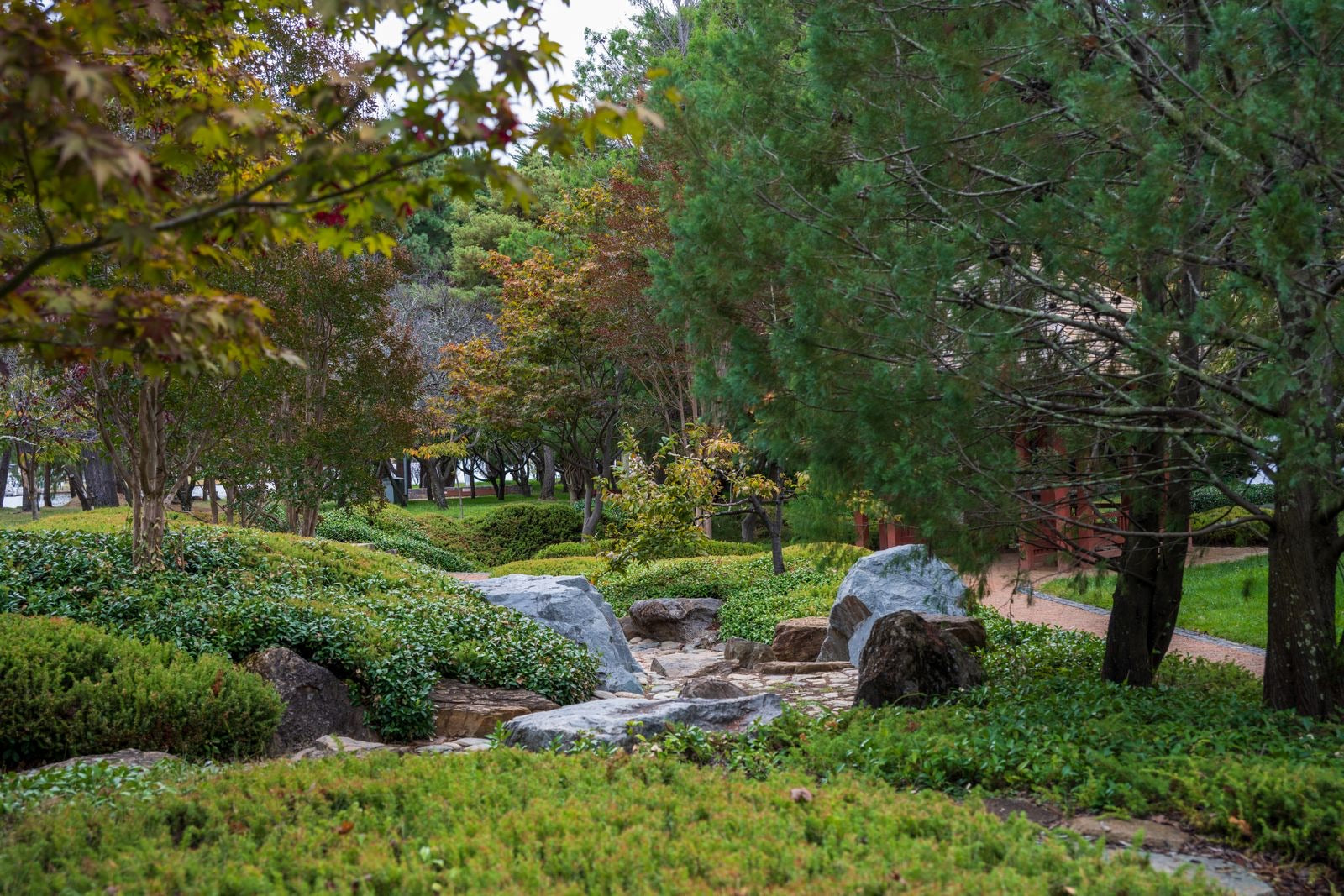

Watch a large parking lot during a heavy storm and you will see the problem in motion: water sheets across the asphalt, picks up oil, dust, and litter, and races toward the nearest storm drain. Multiply that by every road and roof in a city, and you have flooding downstream and polluted rivers at the end of the pipe. A bioswale is one of the simplest ways to interrupt that journey, by giving the water a planted channel where it can slow down, settle, and soak in. This guide covers what a bioswale is, how it works, how it differs from rain gardens and ordinary swales, the basics of design and installation, its benefits and drawbacks, and how bioswales count in LEED v5.
What is a bioswale?
A bioswale is a vegetated channel built over specially designed soil that collects stormwater runoff from nearby hard surfaces, slows it down, and filters it. Its job is to improve water quality and reduce both the volume and the peak rate of runoff that leaves a site.
The word combines "bio," for the plants and soil life that do the cleaning, with "swale," the term for a shallow, sloped channel. According to the EPA's green infrastructure fact sheet on biofiltration swales, bioswales are also called biofiltration swales or bioretention swales. They use vegetation on top of an engineered soil mix to treat runoff, and they are commonly located along roadways or at the edges of parking lots, where they can take the place of traditional curbs and gutters.
So, what is a bioswale for? Its purpose is to manage stormwater the way a natural landscape would. Before a site was paved, rain soaked into the ground slowly, and plants and soil filtered it on the way. A bioswale brings part of that behavior back into a developed site. It belongs to a family of practices called green infrastructure, which use plants and soil to handle stormwater instead of relying only on pipes and concrete. Our guide to stormwater management explains how these practices fit into a site's overall plan.
How does a bioswale work?
A bioswale works by slowing runoff down. Water flows in as a thin sheet from the adjacent pavement, moves slowly along the planted channel, and loses pollutants as sediment settles out and water filters through the plants and engineered soil. Some water soaks into the ground, and the rest flows out cleaner and later.
This slow pace is what makes the treatment possible. The EPA explains that bioswales are designed to convey runoff slowly, allowing time for pollutants to settle and filter out, which is why they are much wider and flatter than an ordinary ditch, with gentle slopes both along the channel and on its sides. Each part of a bioswale has its own role, as the table below shows:
| Bioswale component | What it does |
|---|---|
| Vegetation | Slows the flow, traps sediment, and takes up water and nutrients through its roots |
| Engineered soil media | Filters pollutants and holds water so that it can soak into the ground below |
| Channel shape | A wide, gently sloped trapezoid or triangle that spreads water out and keeps it moving slowly |
| Check dams (where needed) | Small barriers across the channel that slow water down on steeper slopes |
| Underdrain (where needed) | A perforated pipe beneath the soil that carries away filtered water when the native soil drains poorly |
Consider what happens during a typical storm. Rain falls on a parking lot and flows across the pavement edge into the bioswale as a thin sheet rather than as a single gushing stream. As it moves slowly along the channel, heavier particles drop out, and the plants and soil capture finer pollutants. Part of the water infiltrates the ground and recharges groundwater, and the remainder leaves the bioswale later and cleaner than it would have left a gutter. In other words, a bioswale treats runoff while it moves it, which is exactly what separates it from a conventional drainage channel.
Ready to earn your LEED credential?
 200,000+ Learners and Counting


Bioswale vs rain garden vs swale
A bioswale is a long, linear channel that both treats and moves runoff. A rain garden is a planted depression that captures runoff and lets it soak in. A grass or vegetated swale is a simpler channel whose main job is to carry water away. Bioswales sit between the two: they convey water like a swale and clean it like a rain garden.
The names overlap in everyday use, so it helps to compare the practices side by side:
| Practice | Shape | Main purpose | Typical location |
|---|---|---|---|
| Bioswale | Long, wide, gently sloped channel over engineered soil | Treat runoff while slowly conveying it | Along roads and parking-lot edges |
| Rain garden (bioretention garden) | Shallow, bowl-shaped planted depression | Capture runoff and let it soak into the ground | Near rooftops, sidewalks, and small parking lots |
| Vegetated or grass swale | Shallow, open grassed channel | Carry runoff away, with some filtering | Along roads, highways, and subdivisions |
| Bioretention basin | Planted basin over engineered soil | Hold and treat runoff from a larger area | Low points that collect water from a site |
The difference between a swale and a bioswale comes down to design intent. A conventional grassed swale is mainly a conveyance channel, and it moves water relatively quickly. A bioswale adds the engineered soil, the gentler slopes, and often check dams or an underdrain, so that treatment and infiltration happen along the way. Similarly, the EPA notes that bioswales share many features with bioretention practices such as rain gardens, but they are linear rather than basin-shaped and are typically deeper, so they can carry larger storm flows. Many projects use all of them together, along with permeable pavement that lets rain soak through the parking surface itself.
Bioswale design and installation
Bioswale design starts with hydrology: the channel must be sized for the runoff it will receive, placed alongside the hard surface it serves, and given gentle slopes, suitable soil, and the right vegetation. Installation then focuses on protecting the soil, establishing the plants, and adding check dams or an underdrain where the site requires them.
According to the EPA fact sheet, bioswales are more complex to design than simple vegetated swales or rain gardens, because they must convey water as well as treat it. That is why their design includes hydrologic and hydraulic analysis to set the channel's width, depth, and slope. Several practical principles follow from that requirement:
- Place it along the impervious area. A bioswale works best when runoff enters along its length as a thin sheet. Concentrated inflows, such as a single pipe outlet, should generally be avoided or protected with stabilization measures so that they do not scour the channel.
- Make it as long as possible. Because treatment depends on the time water spends in the channel, a longer bioswale gives more opportunity for settling and filtering.
- Match check dams and underdrains to the site. On steeper slopes, check dams slow the flow; where the native soil drains poorly, an underdrain carries filtered water away.
- Check for utilities. Bioswales can sit over underground utility lines, but designers need to evaluate conflicts with the underdrain and the effect of infiltrating water on buried services.
- Choose plants for both wet and dry periods. Vegetation holds the channel together, so designers confirm that the soil supports healthy plant growth, specify a dense, resilient cover, and plan supplemental irrigation while the plants become established.
Because of their size, the EPA notes that bioswales are used less often in dense urban settings and are particularly suited to lower-density and rural sites, where space along roads and parking areas is easier to find. In tighter city settings, designers often turn to compact relatives such as planted curb extensions or rain gardens instead.
Benefits and disadvantages of bioswales
Bioswales reduce downstream flooding, recharge groundwater, improve water and air quality, can lower infrastructure costs by replacing curbs and gutters, and create attractive open space. Their disadvantages are the space they require, a more involved design process, and ongoing maintenance to keep them clear of debris and sediment.
The EPA lists the benefits directly: less downstream flooding, groundwater recharge, better water and air quality, reduced infrastructure cost, and multifunctional open space. Each of these follows from the same mechanism. Slowing and soaking in runoff means less water arriving at once at the storm sewer, cleaner water reaching streams, and more water returning to the ground.
The disadvantages are just as practical, and they explain why a bioswale is not the answer for every site:
- Space. Bioswales are wide and long by design, which makes them hard to fit on compact urban parcels.
- Design effort. Sizing a channel that both conveys and treats water requires engineering analysis, unlike a simple planting bed.
- Maintenance. A bioswale needs regular care to perform as intended: removing debris and dead vegetation so the channel does not clog, checking that accumulating sediment is not reducing its capacity, and keeping vegetation at its designed height.
- Establishment. New plantings need time and supplemental water before they can do their job.
Are bioswales expensive? The cost depends heavily on size, soil conditions, and whether check dams or an underdrain are needed, so there is no single figure that applies to every project. It is worth comparing against the full alternative, though: where a bioswale replaces curbs, gutters, and part of a piped drainage system, the EPA notes that it can reduce infrastructure cost overall.
Bioswales in LEED v5
In LEED v5, bioswales help projects earn the Rainwater Management credit (SSc3), worth up to 3 points, which rewards retaining a share of the site's rainfall on site using low-impact development and green infrastructure practices. They also support the Enhanced Resilient Site Design credit (SSc4) as part of integrated drainage systems.
In LEED v5 BD+C, the main path in the Rainwater Management credit (SSc3) asks projects to retain the runoff from a chosen percentile of regional or local rainfall events on site, in a way that mimics natural site hydrology, by infiltrating, evapotranspiring, or collecting and reusing it. Projects earn 1 to 3 points based on the percentile they retain, plus an additional point when they collect part of that rainwater and reuse it on the project. A bioswale contributes directly to the retention side of that goal: every storm it slows, filters, and soaks into the ground is rainfall that stays on site instead of leaving through a pipe. An alternative path rewards projects that manage rainfall in line with the site's natural land cover conditions.
Bioswales also support the Enhanced Resilient Site Design credit (SSc4), which values drainage systems that combine green infrastructure with conventional infrastructure. A bioswale fits that approach naturally: it can manage frequent, smaller storms on its own, while a conventional storm drain downstream remains in place for the largest events. Our overview of LEED v5 places both credits within the full Sustainable Sites category.
For exam candidates, bioswales are a classic example of the systems thinking the LEED exams reward: one landscape feature that manages water quantity, improves water quality, and supports habitat at once. That reasoning-first approach is how our LEED Green Associate Complete Exam Prep Pack teaches the Sustainable Sites category, and it carries our passing guarantee.
Ready to earn your LEED credential?
200,000+ Learners and Counting
Frequently Asked Questions
What is a bioswale for?
A bioswale manages stormwater runoff from roads, parking lots, and roofs. It slows the water down, filters out pollutants through plants and engineered soil, lets part of it soak into the ground, and reduces flooding downstream.
What is the difference between a swale and a bioswale?
A conventional swale is mainly a channel for carrying water away. A bioswale adds engineered soil, gentler slopes, and often check dams or an underdrain, so it treats and infiltrates runoff while it conveys it.
What is the difference between a bioswale and a rain garden?
A bioswale is a long, linear channel that moves water slowly while treating it. A rain garden is a bowl-shaped planted depression that captures runoff and lets it soak in, usually from a smaller area such as a roof or sidewalk.
What are the disadvantages of bioswales?
They need a lot of space, require engineering analysis to size correctly, and depend on regular maintenance to remove debris and sediment. New plantings also need time and supplemental water before they work fully.
Are bioswales expensive?
Costs vary with size, soil conditions, and whether check dams or an underdrain are needed. Where a bioswale replaces curbs, gutters, and piping, it can lower overall infrastructure cost, according to the EPA.
Is a bioswale on the LEED Green Associate exam?
Yes, as part of rainwater management and green infrastructure. Candidates should understand how bioswales slow, filter, and infiltrate runoff and how they differ from conventional piped drainage.
Is a bioswale on the LEED AP BD+C exam?
Yes, in more depth. AP BD+C candidates should know how green infrastructure practices such as bioswales help projects meet the Rainwater Management credit of LEED v5 by retaining rainfall on site.
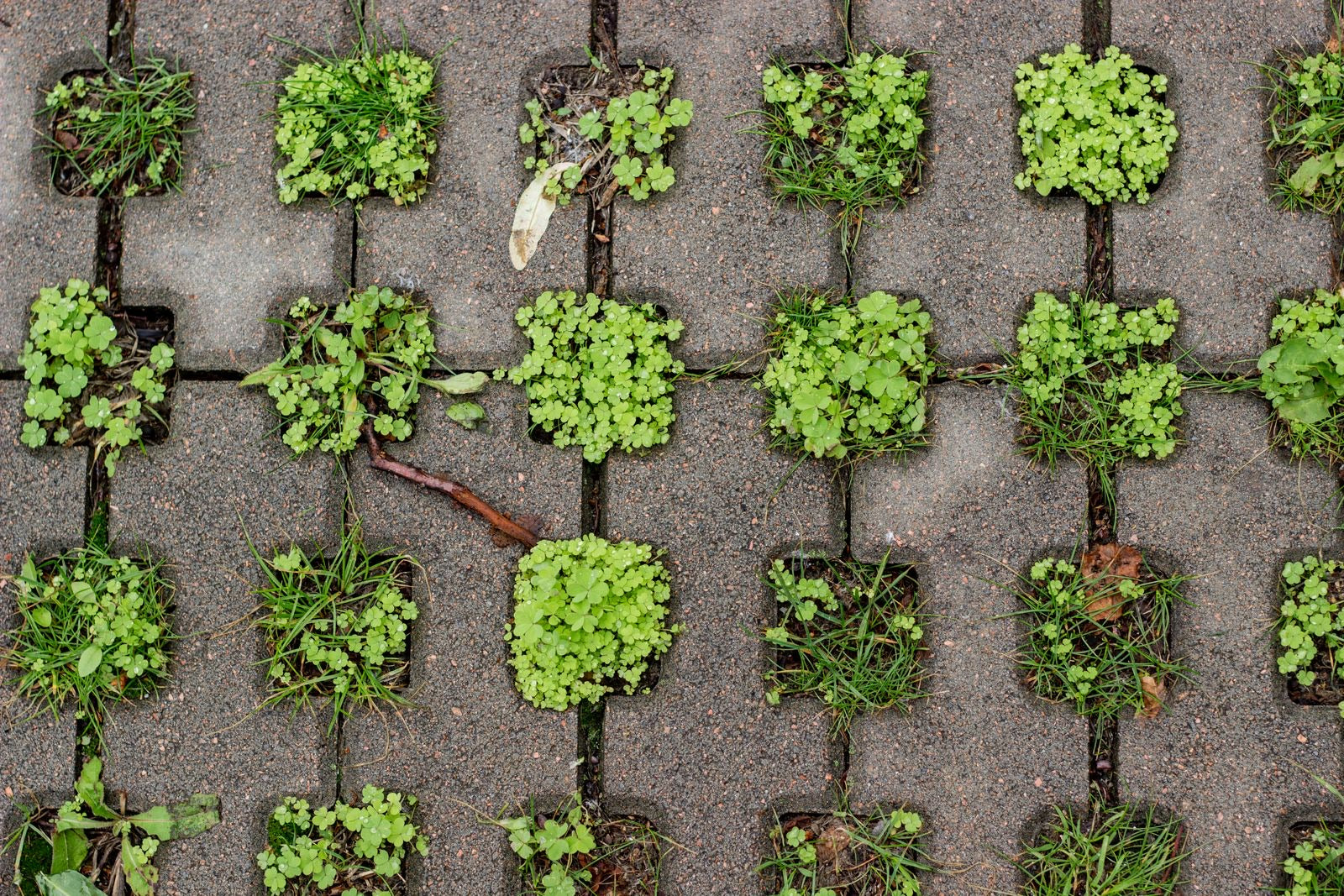

Permeable Pavement: Types, Benefits & How It Works [2026]
Permeable pavement explained: how the layered system absorbs stormwater, the main types, benefits, costs, maintenance, limitations, and how LEED rewards it.
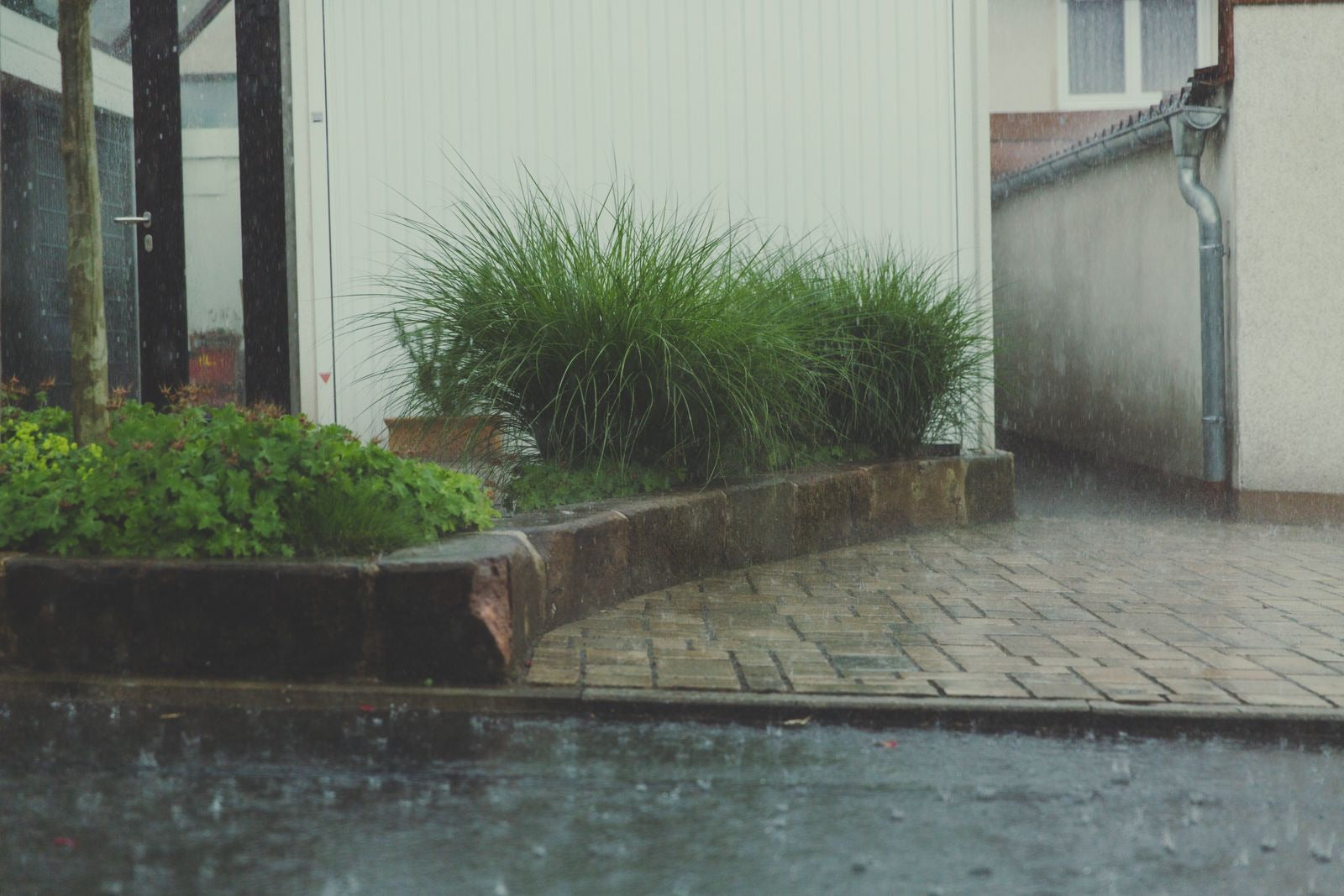

Stormwater Management: Strategies, BMPs & LEED [2026]
Stormwater management explained: why runoff is a problem, gray vs green infrastructure, the BMP toolbox, low impact development, and how LEED rewards it.
