

LEED AP Homes: The Residential LEED Credential [2026]
 A. Togay Koralturk
Last updated on September 05, 2026
6 min read
A. Togay Koralturk
Last updated on September 05, 2026
6 min read
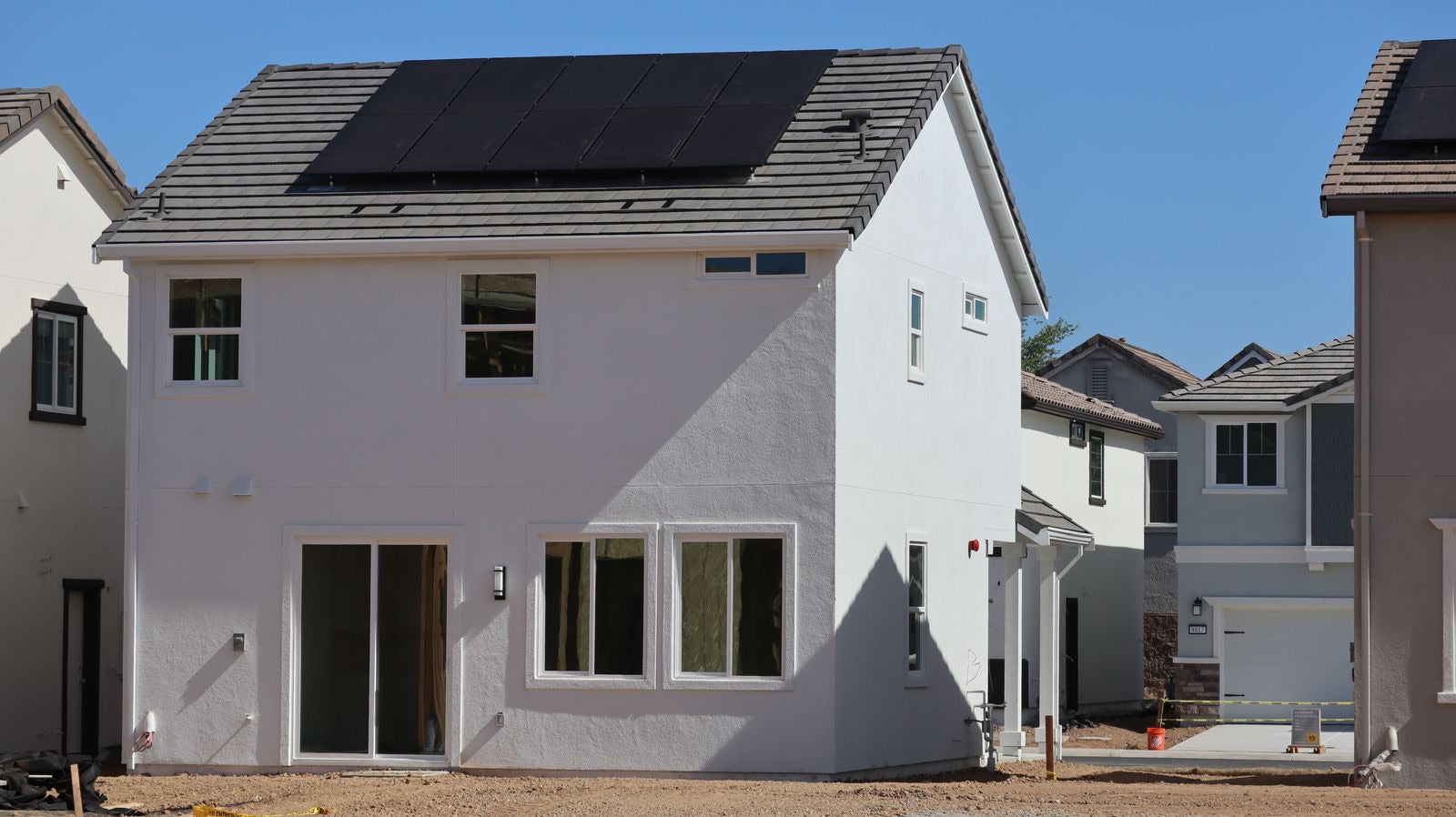

Residential LEED is the corner of the program where certification gets personal: the project is somebody's home, the client reads every line item, and the rating system famously sends a human being to check the insulation. Professionals who work in residential LEED have their own specialty credential: the least commonly held of the five LEED AP specialties, and for residential careers, the closest fit. It is also the specialty most often confused with a different residential role entirely. This guide covers what the LEED AP Homes credential is, what the specialty and its exam cover, how it differs from a Green Rater, and who should choose this path over the mainstream specialties.
What is a LEED AP Homes?
A LEED AP Homes is a LEED Accredited Professional with the Homes specialty: the advanced LEED credential for professionals who apply the residential LEED program to single-family and multifamily projects, earned by passing the Homes specialty exam on top of an active Green Associate credential.
The credential sits in the same tier as every LEED AP with specialty: it certifies project-level command of a rating system, not general green building awareness. Its territory is the one part of LEED where the building type changes everything: budgets are tighter than commercial work, the building science is residential (envelopes, right-sized systems, moisture), and the certification machinery itself differs, most visibly in the onsite verification that residential projects require. A LEED AP Homes is the professional who can steer a house or a multifamily building through that distinctive process, which our LEED for Homes guide explains end to end.
What does the Homes specialty cover?
The specialty covers USGBC's residential program in project-level depth: the three residential project types (Single Family attached and detached, Multifamily new construction and major renovation at any number of stories, and Multifamily Core and Shell), their prerequisites and credits, and the residential verification process built around the LEED Green Rater.
The verification point deserves emphasis because it shapes the whole body of knowledge. Per USGBC, every LEED residential project team must include a LEED Green Rater, who performs the required onsite verification: a trained verifier physically confirming that the home as built matches the home as documented. A LEED AP Homes therefore studies not just credits and thresholds but a process with an inspection at its heart, from planning the verification visits to making sure what the drawings promise is what the walls contain. The multifamily reach matters too: the program is not limited to houses, and a residential tower of any height certifying under the residential path falls inside this specialty's territory.
Ready to earn your LEED credential?
 200,000+ Learners and Counting


The LEED AP Homes exam
The Homes specialty exam follows the standard AP shell per the candidate handbook: 100 multiple-choice questions in 2 hours, scored 125–200 with 170 to pass, closed-book, requiring an active Green Associate credential at registration, at $350 ($250 for USGBC members).
Like its ND sibling, the Homes exam sat out the big transition: when the commercial specialty exams moved to v5 on June 30, 2026, USGBC confirmed that the ND and Homes exams continue on the rating-system version they currently use, since v5 launched for the commercial rating systems and the residential program follows its own timeline. For candidates, that is stability: no beta windows, no material-vintage anxiety, and study resources that are not aging mid-preparation. After passing, maintenance follows the AP standard of 30 continuing-education hours per two-year cycle, 6 of them specialty-specific, per our credential maintenance guide.
Who should earn the Homes specialty?
Earn the Homes specialty if residential projects are your practice: production and custom homebuilders, residential architects and designers, multifamily developers, and consultants who shepherd homes through green certification are the credential's natural holders.
The usual authority test applies with a residential accent. If your working questions are envelope details, HVAC right-sizing, healthy materials on a household budget, and how a builder's standard spec becomes a certifiable home, this specialty names your expertise. The market logic is worth stating too: green certification is a differentiator in homebuying, and the professional who can deliver it repeatedly (a builder certifying a community, a developer certifying a multifamily portfolio) turns the credential into a production advantage rather than a one-off badge. Professionals whose residential work is occasional rather than central usually serve themselves better with a mainstream specialty first, which is the comparison next.
Homes vs the other specialties (and vs Green Rater)
Choose Homes when residential is the career, not an occasional project type; and keep the roles straight: the LEED AP Homes is a professional credential, while the LEED Green Rater is the project role that performs the required onsite verification on residential projects.
| Path | What it is | Who it serves |
|---|---|---|
| LEED AP Homes | Professional credential (residential expertise) | Builders, residential architects, developers |
| LEED Green Rater | Project verification role | The onsite verifier every residential team must include |
| BD+C · O+M · ID+C · ND | Credentials for other scales | Commercial and district careers |
The credential-versus-role distinction resolves the most common confusion on this path. Every residential project must include a Green Rater performing onsite verification; no project is required to include a LEED AP Homes, but teams hire the expertise because certification goes better with someone who commands the program. The two are complementary, not competing, and some professionals eventually hold both. Against the sibling credentials, the sorting rule from the five-specialty map holds: BD+C for commercial design and construction, O+M for operations, ID+C for interiors, ND for districts, and Homes for the residential world.
How to prepare for the Homes path
Preparation follows the AP-tier architecture: secure the Green Associate foundation first, then study the residential program at project depth (the three project types, the prerequisites and credits, and the Green Rater verification process), and confirm readiness with timed practice before booking.
The first half of the path is universal and immediate: the Green Associate is the mandatory first credential for every specialty, and our Green Associate Complete Exam Prep Pack covers that exam end to end, with the course and study guide built as one teaching system. The specialty half is a depth exercise in the residential body of knowledge, anchored in the current residential rating-system documents and the candidate handbook's specifications; for working homebuilders, much of the material formalizes what good residential practice already does. Candidates still weighing whether residential is the specialty or the sideline should read this page beside the BD+C guide, and calibrate effort with the AP tier's honest difficulty picture, which is constant across specialties.
Ready to earn your LEED credential?
200,000+ Learners and Counting
Frequently Asked Questions
What is a LEED AP Homes?
A LEED Accredited Professional with the Homes specialty: the advanced LEED credential for professionals applying the residential LEED program to single-family and multifamily projects. It requires an active Green Associate credential and a passing score on the Homes specialty exam.
What does the LEED AP Homes exam cover?
The residential LEED program at project depth: the residential project types, their prerequisites and credits, and the verification process built around the Green Rater. The format follows the AP standard per the candidate handbook: 100 multiple-choice questions in 2 hours, with 170 of 200 to pass.
Is the LEED AP Homes exam moving to v5?
No. Per USGBC, the Homes exam continues on the rating-system version it currently uses, like the ND exam. The June 30, 2026 v5 transition applied to the commercial specialty exams: BD+C, O+M, and ID+C.
What are the requirements for the LEED AP Homes credential?
An active LEED Green Associate credential at registration, plus a passing score of 170 on the 100-question, 2-hour Homes specialty exam, per the candidate handbook. The exam fee is $350, or $250 for USGBC members.
What is the difference between a LEED AP Homes and a Green Rater?
The LEED AP Homes is a professional credential certifying residential LEED expertise; the LEED Green Rater is a project role that performs the required onsite verification every LEED residential team must include. They are complementary, and some professionals hold both.
Who is the Homes specialty best for?
Professionals whose practice is residential: production and custom homebuilders, residential architects and designers, multifamily developers, and consultants who guide homes through green certification repeatedly.


LEED AP ID+C: The Credential & LEED ID+C Guide [2026]
LEED AP ID+C explained: the interiors credential, the LEED ID+C rating system for tenant fit-outs, the newly updated v5 exam, and who should choose it.


LEED AP O+M: The Credential & LEED O+M Explained [2026]
LEED AP O+M explained: the existing-buildings credential, the LEED O+M rating system, recertification, the v5 exam, and who should pick this specialty.


LEED AP ND: The Credential & LEED ND Explained [2026]
LEED AP ND explained: the neighborhood-development credential, the LEED ND rating system behind it, the exam, and who should pick this LEED specialty.
