

FE Environmental Exam Guide: Topics & Pass Rate [2026]
 A. Togay Koralturk
Last updated on September 08, 2026
7 min read
A. Togay Koralturk
Last updated on September 08, 2026
7 min read
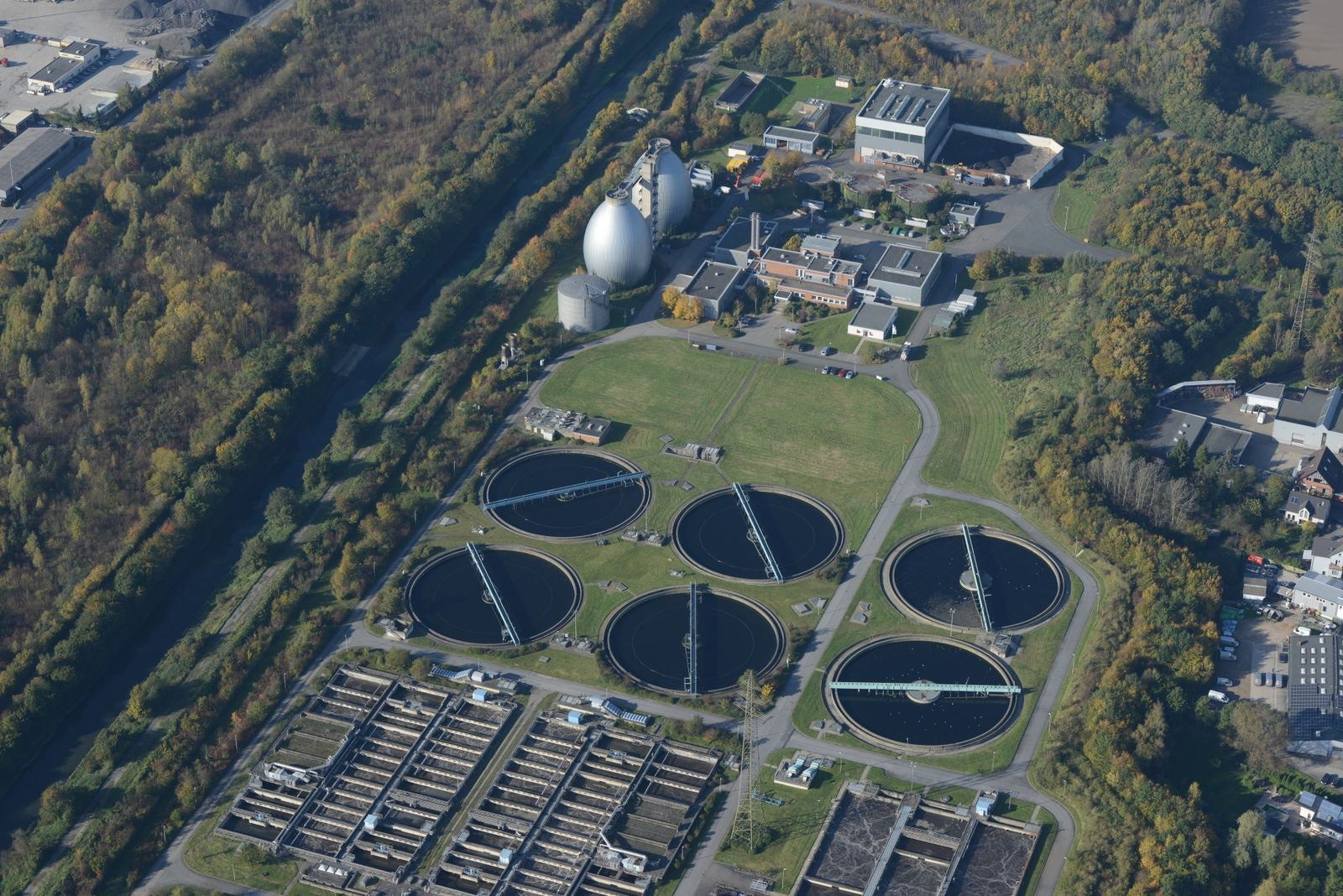

Environmental engineering is the discipline that keeps water drinkable, air breathable, and landfills where they belong, and its FE exam reads exactly like that job description. Candidates who expect a lighter version of the civil exam find instead a focused test dominated by hydraulics and treatment processes, one that also revisits the chemistry most candidates last studied in sophomore year. This guide covers the FE Environmental exam completely: the format, all 15 knowledge areas with question counts, where the weight concentrates, how it compares to FE Civil, and how to prepare for it efficiently.
What is the FE Environmental exam?
The FE Environmental exam is the environmental-discipline version of the NCEES Fundamentals of Engineering exam: 110 questions over 5 hours and 20 minutes, computer-based, offered year-round at Pearson test centers for a $225 fee. Passing it earns the EIT designation and starts the road to the environmental PE license.
Structurally it matches every FE discipline — the two-section format, the multiple-choice-plus-AIT question mix, the onscreen FE Reference Handbook, and the standard calculator policy. What distinguishes it is a topic list built around water, air, waste, and the health of the people near all three.
By population it is one of the more intimate FE exams: 2,543 first-time candidates in NCEES's latest reporting year, a fraction of FE Civil's sixteen thousand. That smaller, more focused pool — mostly environmental engineering graduates whose coursework tracks the exam closely — is a big part of why its pass rate sits near the top of the table, as we will see below.
FE Environmental exam topics: all 15 knowledge areas
The FE Environmental exam covers 15 knowledge areas, from mathematics and ethics through environmental chemistry, hydrology, treatment processes, air quality, and waste management. Here is the complete list with each area's question range, per the NCEES exam specifications:
| Knowledge area | Questions |
|---|---|
| Mathematics | 5–8 |
| Probability and Statistics | 4–6 |
| Ethics and Professional Practice | 5–8 |
| Engineering Economics | 5–8 |
| Fundamental Principles | 7–11 |
| Environmental Chemistry | 7–11 |
| Health Hazards and Risk Assessment | 4–6 |
| Fluid Mechanics and Hydraulics | 12–18 |
| Thermodynamics | 3–5 |
| Surface Water Resources and Hydrology | 9–14 |
| Groundwater, Soils, and Sediments | 8–12 |
| Water and Wastewater | 12–18 |
| Air Quality and Control | 8–12 |
| Solid and Hazardous Waste | 7–11 |
| Energy and Environment | 4–6 |
Read the list and a personality emerges: this is the most applied of the three environmental-adjacent FE exams. Where FE Civil spreads across structures, transportation, and construction, FE Environmental concentrates on the water-air-waste triad and the chemistry underneath it. The current specification is a free download; per NCEES practice it remains in force until a successor appears on ncees.org, so confirm the version when you schedule.
Pass your exam with confidence
 200,000+ Learners and Counting
Realistic practice exams for the FE, PE, FS, and PS exams are launching soon. Join the waitlist to be the first to know.
Which FE Environmental topics carry the most questions?
Two areas tower over the FE Environmental exam at 12 to 18 questions each: Fluid Mechanics and Hydraulics, and Water and Wastewater — and once you add Surface Water Resources and Hydrology (9–14) and Groundwater, Soils, and Sediments (8–12), water in some form can approach half of your 110 questions. Prepare accordingly.
The water dominance is the exam's central strategic fact, and it rewards connected study rather than siloed review: a hydraulics question feeds a treatment-process question feeds a hydrology question, because in practice they are one system. Studying the four water-related areas as a single block (flow first, then quality, then treatment) mirrors how the exam's questions chain and how the handbook organizes the references. The second tier (Air Quality and Control at 8–12, Solid and Hazardous Waste at 7–11, Environmental Chemistry at 7–11) fills most of the remaining weight, and Environmental Chemistry deserves special respect: it underlies questions officially filed under other areas, and it is the subject most candidates last saw earliest in their degree. With no penalty for wrong answers, the small areas (thermodynamics at 3–5, risk assessment at 4–6) still earn efficient review passes, but the majority of your study calendar should go to the water areas.
FE Environmental vs FE Civil: which should you take?
Choose by the license, not the exam: if your career points toward environmental practice (water, treatment, remediation, air, waste), take FE Environmental; if it points toward broader civil practice, take FE Civil — the exams overlap heavily, but the PE paths they open do not feel the same. Both are legitimate routes to licensure.
This is a real fork for two groups: environmental engineering graduates (whose choice is usually easy — FE Environmental matches their transcript) and civil/environmental double-track candidates, common in departments where the disciplines share a building. For the second group, three practical observations help. The overlap is real: fluids, hydrology, water resources, and the shared foundation appear on both exams, so preparation transfers. The difference is the rest: FE Civil adds structures, transportation, geotechnical, and construction, while FE Environmental adds chemistry, air, waste, and health risk — pick the "rest" you would rather study and practice. And the PE endgame settles ties: a candidate aiming at a municipal water utility or a remediation consultancy will eventually sit the environmental PE, while one aiming at general civil consulting sits a civil depth exam, and starting on the matching FE keeps the record clean. Whichever you pick, the pass-rate difference (67% versus 61%) should not be the tiebreaker, because it reflects the candidate pools, not your odds.
What is the FE Environmental exam pass rate?
The FE Environmental pass rate is 67% for first-time takers per NCEES Squared 2025, rising to 70% among candidates with EAC/ABET-accredited engineering degrees — the third-highest rate among FE disciplines — and falling to 37% for repeat takers. The focused candidate pool does a lot of the explaining.
Like FE Mechanical's table-topping 69%, environmental's strong rate reflects alignment: a smaller population, mostly discipline graduates, sitting an exam that tracks their coursework. And like every discipline, the individual levers dwarf the averages — the take-it-early effect (roughly 71% before graduation versus 63% beyond a year out) and the repeat-taker collapse both apply in full. A 67% average is a good starting position; testing near graduation with specification-driven preparation is what converts it into a personal probability.
How to prepare for the FE Environmental exam
Prepare for FE Environmental in four steps: build your study plan from the NCEES exam specification (the official list of the exam's 15 knowledge areas and how many questions each carries), take an early diagnostic exam, keep the Reference Handbook open for every practice problem, and finish with timed simulations, weighting the plan toward the water areas and refreshing environmental chemistry early. For recent graduates, 8 to 12 weeks of consistent study is enough.
The full method is in our FE exam study plan, and three adjustments make it fit this exam. First, study the water areas as one connected block, moving from fluid mechanics into hydrology, groundwater, and treatment, because exam questions chain these concepts together and their references sit near each other in the handbook. Second, refresh environmental chemistry early in your schedule: it underpins the middle of the specification, and it comes back more slowly than most subjects. Third, learn where the handbook keeps its water-quality parameters, treatment references, and air-dispersion material, because you will look these up again and again during the exam. Close your preparation with full-length, timed practice exams so that nothing about the format is new on exam day. Building that practice volume, with realistic questions mapped to all 15 knowledge areas, is exactly what our upcoming FE Environmental practice exams are designed for. Our guide to EIT certification covers what happens after you pass.
Pass your exam with confidence
200,000+ Learners and Counting
Realistic practice exams for the FE, PE, FS, and PS exams are launching soon. Join the waitlist to be the first to know.
Frequently Asked Questions
What is on the FE Environmental exam?
Fifteen knowledge areas: mathematics, probability and statistics, ethics, engineering economics, fundamental principles, environmental chemistry, health hazards and risk assessment, fluid mechanics and hydraulics, thermodynamics, surface water and hydrology, groundwater and soils, water and wastewater, air quality, solid and hazardous waste, and energy and environment.
How many questions is the FE Environmental exam?
110 questions over 5 hours and 20 minutes of testing time, in two sections with an optional 25-minute break — the same structure as every FE discipline, mixing multiple choice with alternative item types.
What is the FE Environmental exam pass rate?
67% for first-time takers per NCEES Squared 2025, and 70% among EAC/ABET engineering graduates — the third-highest FE rate. Repeat takers pass at 37%, so first-attempt preparation remains decisive.
Should I take FE Environmental or FE Civil?
Choose by your intended PE license: environmental practice (water, treatment, remediation, air, waste) points to FE Environmental, broader civil practice to FE Civil. The exams overlap in fluids and water resources, so preparation transfers either way.
Is the FE Environmental exam hard?
It is moderately hard like every FE discipline: most prepared first-time candidates pass, and its 67% rate is among the friendlier ones. Its distinctive challenges are the depth of the water areas and the environmental chemistry that underlies much of the specification.
When should you take the FE Environmental exam?
As close to graduation as possible: NCEES data shows first-time pass rates of about 71% before graduation versus 63% more than a year out. The chemistry-heavy content in particular fades quickly once coursework ends.


Free FE Mechanical Practice Problems with Solutions [2026]
Work 30 free FE Mechanical practice problems with full step-by-step solutions — real questions from our practice exams covering all 14 NCEES knowledge areas.


Free FE Civil Practice Problems with Solutions [2026]
Work 30 free FE Civil practice problems with full step-by-step solutions — real questions from our practice exams covering all 14 NCEES knowledge areas.


FE Electrical and Computer Exam: Complete Guide [2026]
The FE Electrical exam explained: all 17 knowledge areas with question counts, the real pass rate, format and timing, cost, and how to prepare for it.
