

FE Exam Cost: Fees, Retakes & What You'll Pay [2026]
 A. Togay Koralturk
Last updated on September 05, 2026
7 min read
A. Togay Koralturk
Last updated on September 05, 2026
7 min read
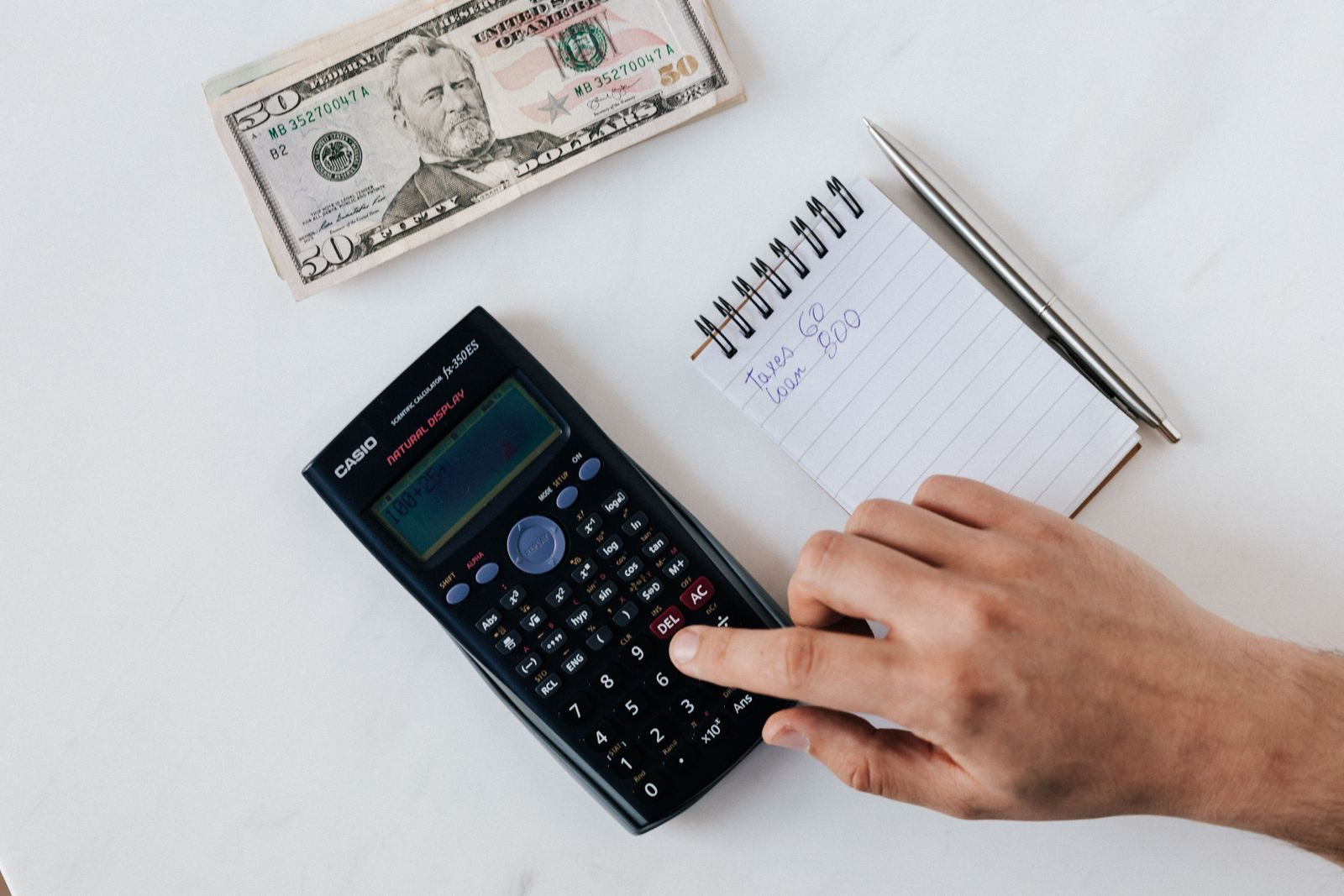

The FE exam's price tag looks refreshingly simple next to most professional credentials: one number, paid once, no subscriptions. Then a candidate reschedules twice, lets an authorization window lapse, buys a calculator at the testing center's parking lot markup, and fails an attempt — and the simple number has quietly tripled. The published fees are only part of the story; the rules around them are where the money actually moves. This guide covers the FE exam cost in full: the NCEES fee and what it includes, the extras worth budgeting, the reschedule and cancellation rules, the economics of retakes, and who might pay the bill for you.
How much does the FE exam cost?
The FE exam costs $225, paid directly to NCEES as part of registration, a rate effective since January 1, 2024. The fee is the same for all seven FE disciplines and covers the exam itself at any NCEES-approved Pearson test center in the US.
A few situations change the number. Candidates testing internationally pay location-specific rates plus a $25 international scheduling fee, and a small number of jurisdictions route registration through their own boards with different totals. But for the typical US candidate, $225 is the figure, and the official NCEES FE page lists the exceptions.
What the fee buys is worth appreciating: a year-round, computer-based appointment with the FE Reference Handbook supplied onscreen, scoring against a national standard, and result delivery in 7 to 10 days. It does not cover a retake, however, which is why the sections below, about the rules that protect or forfeit that $225, matter as much as the fee itself.
The full FE exam cost breakdown
The realistic FE budget has four lines beyond the exam fee: a possible state application fee for the EIT certificate, an approved calculator, preparation materials, and a cushion for the fees that only appear when plans change. Here is the complete picture:
| Cost item | Amount | Notes |
|---|---|---|
| FE exam fee | $225, paid to NCEES | Same for all disciplines; international locations differ |
| State EIT/EI application fee | Varies by state | Some boards charge nothing; check yours — this is the certificate step after passing |
| NCEES-approved calculator | Roughly $15–60 | Only Casio fx-115/fx-991, HP 33s/35s, and TI-30X/TI-36X families are allowed |
| Prep materials | Varies | The handbook and your exam specification are free; practice questions are the real spend |
| Reschedule fee (if needed) | $50, paid to Pearson | Applies when rescheduling; see the rules below |
Two of those lines deserve a note. The calculator is a genuine requirement, not a suggestion — only specific model families are admitted to the testing room, so check the approved list before buying rather than after. And on prep materials, remember the two most important documents cost nothing: the FE Reference Handbook and your discipline's exam specification are free downloads from NCEES, which means your preparation budget should go almost entirely toward practice questions.
 200,000+ Learners and Counting


Reschedule fees, cancellations, and the 12-month window
Three rules protect or endanger your $225: rescheduling costs $50 through Pearson and must happen at least 48 hours ahead, cancelling refunds the fee minus a $50 administrative charge, and your authorization to test lasts 12 months — expire it and the fee is gone. These are where careless candidates spend the most unnecessary money.
Taking them in order. Rescheduling at least 48 hours before your appointment costs a $50 Pearson fee and moves your date freely within your authorization window. Documented emergencies — a medical emergency, an accident, a death in the immediate family, military duty, or jury duty — waive the fee entirely, provided you supply documentation within 14 days. Cancelling your registration outright returns the NCEES fee minus $50. And the quiet one: your exam authorization is valid for 12 months from approval. Candidates who register early "to commit themselves" and then drift past the window forfeit the full fee, which makes registering when you are roughly two to three months from ready the financially sensible move, a timeline that happens to match the FE exam study schedule in our guide.
What does retaking the FE exam cost?
A retake costs the full $225 again, plus the calendar: NCEES allows one attempt per quarterly testing window and three attempts in any 12-month period, so a failed exam also buys a wait of up to three months. The financial case for first-attempt preparation is stronger than most candidates realize.
The fee is only the visible part of that bill. The delay carries its own costs: whatever salary step or graduation timing depends on the credential waits with it, and the fundamentals you studied fade in the meantime. The statistics tell the same story, because repeat takers pass at only 25% to 37% depending on discipline, per NCEES's published data; we break those numbers down in our guide to FE exam pass rates. Realistic practice under exam conditions is precisely what our FE Civil Practice Exams and FE Mechanical Practice Exams are built for.
Who pays: reimbursement for the FE exam fee
Many candidates never pay the $225 themselves: universities sometimes cover the fee for enrolled students, employers commonly reimburse licensure expenses for engineering staff, and a few states run fee-support programs. Finding out usually takes a single email, and it is worth sending before you pay.
The three doors, in the order worth knocking. Your university: engineering departments in a number of schools cover or subsidize FE fees for students who sit before graduation, sometimes tied to a review course or a senior-year program — the department office knows. Your employer: engineering firms that bill licensed work have a direct interest in your PE trajectory, and many reimburse the FE fee, prep costs, or both under professional-development budgets; HR or your manager can say in minutes. Your state: a few boards and workforce programs subsidize licensure exam costs. None of these are guaranteed, all of them are common enough to check, and the worst outcome of asking is paying what you would have paid anyway.
Is the FE exam worth the cost?
Set against what it starts, the FE exam is one of the cheapest high-leverage purchases in an engineering career: $225 opens the path to the EIT designation and, a few years of experience later, the PE license. The credential at the end of that path is what changes an engineering career's ceiling.
Consider the asymmetry. The United States crossed one million licensed professional engineers in 2025, per NCEES's annual report, and every one of them started with this exam and something like this fee. The license they earned commands signing authority, senior roles, and in many firms a direct salary premium — returns measured in thousands of dollars a year against a few hundred spent once. Even for engineers unsure they will ever pursue the PE, passing the FE early (when the pass-rate data most favors you) keeps the option open for the price of a textbook stack. Our guide to EIT certification covers what happens after you pass — and how the $225 becomes the first line of a much larger return.
200,000+ Learners and Counting
Frequently Asked Questions
How much does the FE exam cost?
$225, paid directly to NCEES when you register, effective since January 1, 2024. The fee is identical across all seven FE disciplines; international test locations carry different rates plus a $25 international scheduling fee.
What does the $225 FE exam fee include?
The exam appointment at an NCEES-approved Pearson test center, the onscreen FE Reference Handbook during the exam, scoring against the national standard, and your result in 7 to 10 days. It does not include your state's EIT application fee or a retake.
What is the FE exam reschedule fee?
$50, paid to Pearson, for rescheduling at least 48 hours before your appointment. Documented emergencies — medical, accident, death in the immediate family, military duty, or jury duty — waive the fee with documentation submitted within 14 days.
Do you pay again to retake the FE exam?
Yes, the full $225 per attempt. NCEES permits one attempt per quarterly testing window and at most three attempts in any 12-month period, so a failed attempt also costs up to three months of waiting.
Will an employer or university reimburse the FE exam fee?
Often, yes. Many engineering departments cover fees for students testing before graduation, many employers reimburse licensure costs under professional-development budgets, and some states run fee-support programs. Ask before you pay — it takes one email.
What happens if I don't take the exam within my authorization window?
The authorization lasts 12 months from approval; if you don't test within it, the registration fee is forfeited. Register when you are two to three months from ready rather than far in advance.


Free FE Mechanical Practice Problems with Solutions [2026]
Work 30 free FE Mechanical practice problems with full step-by-step solutions — real questions from our practice exams covering all 14 NCEES knowledge areas.

Free FE Civil Practice Problems with Solutions [2026]
Work 30 free FE Civil practice problems with full step-by-step solutions — real questions from our practice exams covering all 14 NCEES knowledge areas.


FE Electrical and Computer Exam: Complete Guide [2026]
The FE Electrical exam explained: all 17 knowledge areas with question counts, the real pass rate, format and timing, cost, and how to prepare for it.
