

Construction Waste Management: Plan & LEED [2026]
 A. Togay Koralturk
Last updated on October 16, 2026
8 min read
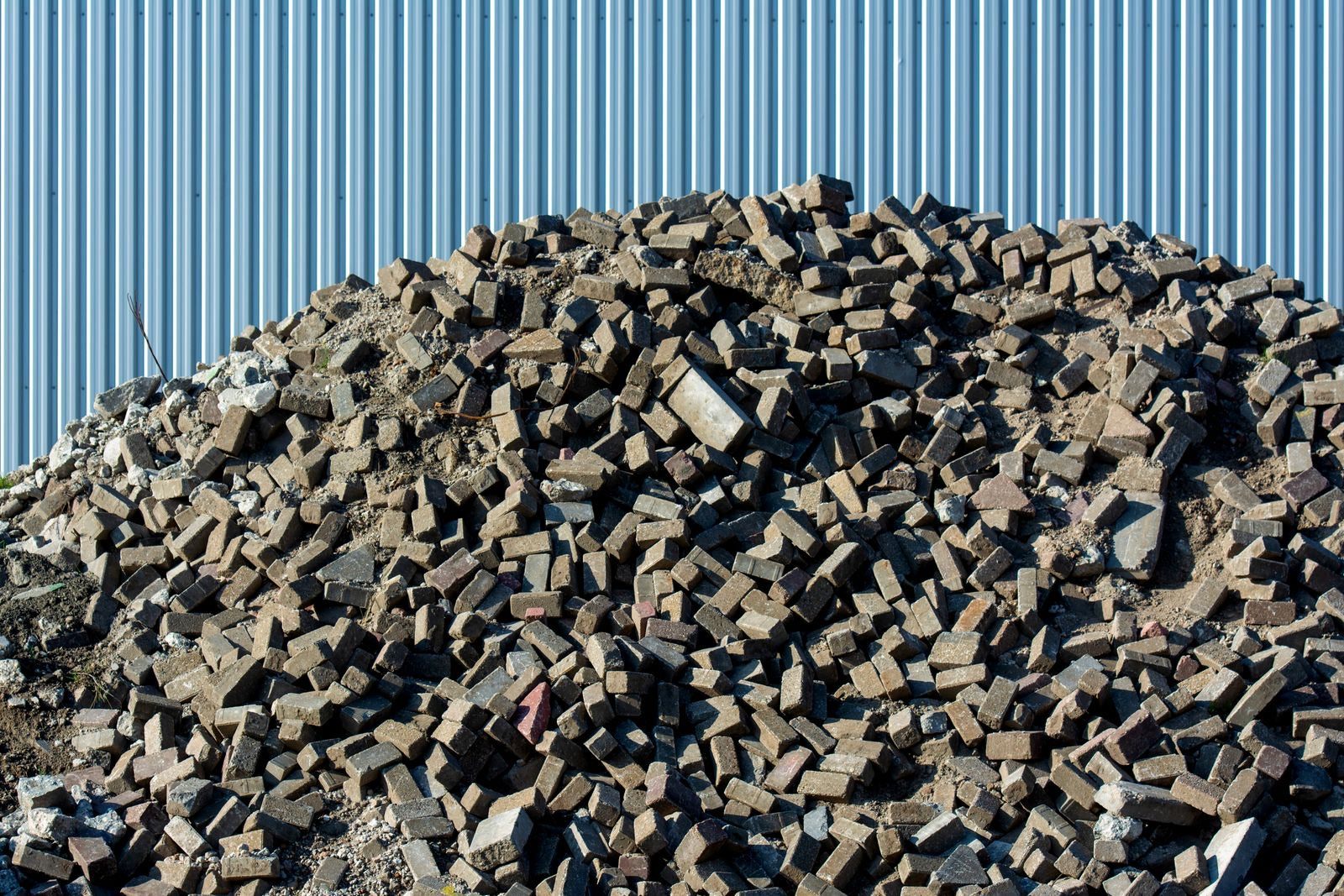

On paper, a building project creates a building. On the ground, it also creates a second, less photogenic output: a steady stream of offcuts, rubble, packaging, and torn-out material that has to go somewhere, and "somewhere" is a decision. Teams that plan that decision divert most of the stream back into use; teams that do not pay to bury it. This guide covers what construction waste management means, what is actually in construction and demolition waste, what a construction waste management plan includes, how to minimize waste before it exists, how recycling works on real sites, and how LEED rewards diversion.
What is construction waste management?
Construction waste management is the organized handling of the waste a construction, renovation, or demolition project generates, with the goal of diverting as much material as possible from landfills through reuse and recycling. It covers planning before work starts, sorting and collection on site, and documentation of where each material ends up.
The scale explains why this became a discipline of its own. According to the EPA, the United States generated 600 million tons of construction and demolition (C&D) debris in 2018 — more than twice the amount of municipal solid waste the whole country produced. Even more striking, demolition represents more than 90 percent of that debris, while new construction contributes less than 10 percent. In other words, the biggest waste decisions are made when something comes down, not when something goes up.
Consider what that means for a single renovation: the old drywall, flooring, and framing leaving the building outweigh the offcuts of the new material coming in many times over. Managing that outbound stream deliberately — rather than renting a container and calling it done — is the entire subject of this guide.
What is in construction and demolition waste?
C&D waste is dominated by heavy, bulky materials: concrete, masonry, and asphalt; wood and engineered lumber; metals; drywall; roofing; glass and plastics; and soil and rock from site clearing. Most of these materials have an established reuse or recycling path — which is what makes high diversion rates realistic.
The practical question for each material is not "is this trash?" but "which path does this take?" The table below shows the common streams and their usual destinations:
| Material | Usual path off the landfill |
|---|---|
| Concrete, masonry, asphalt | Crushed into aggregate for new construction and road base |
| Metals (steel, copper, aluminum) | Recycled through established scrap markets |
| Clean wood and lumber | Reused, remilled, or recycled; engineered wood is harder to recycle |
| Drywall (gypsum) | Recycled into new drywall or soil amendment where facilities exist |
| Doors, fixtures, cabinets, brick | Salvaged and resold for reuse |
| Cardboard and packaging | Recycled with conventional streams |
Two details matter here. First, the heavyweight materials — concrete and metal — are also the easiest to recycle, which is why tonnage-based diversion targets are achievable. Second, salvage beats recycling where it is possible: a door that becomes a door again carries almost no new impact, a point our guide to sustainable building materials develops from the selection side.
Ready to earn your LEED credential?
 200,000+ Learners and Counting


What is a construction waste management plan?
A construction waste management plan is the project document that states which waste materials the project expects to generate, sets a diversion goal (the share kept out of landfills), and assigns a handling method — reuse, recycling, or disposal — and a destination for each material. It is written before construction starts and tracked against actual quantities as work proceeds.
A good plan is short and specific rather than ceremonial. In practice it answers five questions:
- What will the project generate? An inventory of expected waste streams, estimated from the design and the demolition scope — concrete, wood, metals, drywall, cardboard, and so on.
- What is the goal? A diversion target, usually expressed as a percentage of total waste by weight kept out of landfills.
- How will each material be handled? Whether waste is site-separated into dedicated containers or collected commingled for sorting at a recovery facility — the trade-off we cover in the recycling section below.
- Where does each stream go? The named recyclers, salvage outlets, and facilities that will receive each material.
- Who tracks it? The person responsible, and the records — weight tickets and hauler receipts — that document the actual diversion rate at the end.
The plan earns its keep through the tracking step. Estimated tonnage is a guess; weight tickets are evidence, and they are what a project presents when it reports its diversion rate — to the owner, and on a LEED project, to the reviewer.
How to minimize construction waste
The cheapest waste is the waste never created: minimizing construction waste starts in design, with standard material dimensions and prefabricated assemblies that reduce offcuts, and continues through deconstruction instead of demolition, on-site reuse, and donating salvageable materials.
The waste hierarchy — reduce first, reuse second, recycle third — sounds abstract until you see what each level looks like on a project:
- Reduce in design. Laying out walls to standard panel dimensions means drywall and sheathing arrive already close to their final size, and prefabrication moves cutting into a factory where offcuts are captured and recycled systematically. Ordering accurately does the same quiet work; over-ordering is pre-purchased waste.
- Deconstruct rather than demolish. Because demolition, not construction, dominates the debris stream, the biggest lever is taking buildings apart selectively, so doors, fixtures, lumber, and brick come out as products rather than rubble.
- Reuse on site. Crushed concrete can become fill or base material on the same project that produced it, which eliminates both disposal and new-material transport.
- Donate what has value. Salvageable fixtures and surplus materials have an active second-hand market through reuse outlets, which turns a disposal cost into someone's affordable material.
Therefore, the teams with the best diversion numbers are rarely the ones with the most containers; they are the ones who made these decisions months before the first container arrived.
How construction waste recycling works
On site, construction waste recycling takes one of two forms: site separation, where workers sort each material into its own dedicated container, or commingled collection, where mixed debris goes to a materials recovery facility that sorts it mechanically. Site separation yields cleaner, more valuable material; commingling saves space and labor.
The choice between the two is a genuine trade-off rather than a right answer. Site separation produces clean streams — a container of nothing but metal, another of nothing but clean wood — which recyclers pay more for, and it makes the diversion documentation straightforward. However, it needs space for multiple containers and discipline from every trade on site. Commingled collection fits tight urban sites and simplifies the workflow, but it depends on the recovery facility's sorting performance, and the project's diversion rate becomes the facility's recovery rate. Many projects run a hybrid: dedicated containers for the heavy, valuable streams (concrete, metal) and commingled collection for the rest.
What happens downstream is satisfyingly concrete. Crushed concrete and masonry return as aggregate under new roads and slabs. Scrap metal re-enters the furnace, skipping the most energy-intensive step of making new metal — the same logic that makes recycled steel a star in our sustainable building materials guide. Clean wood becomes mulch, boiler fuel, or feedstock for engineered products, and gypsum from drywall returns to new board where regional facilities exist. Every ton on those paths is a ton of embodied carbon the next project does not have to create from scratch.
How LEED treats construction and demolition waste
LEED v5 rewards construction waste diversion through the Materials and Resources (MR) category: the Construction and Demolition Waste Diversion credit (MRc5) awards points for keeping C&D waste out of landfills, and the Planning for Zero Waste Operations prerequisite (MRp1) requires every project to plan for the waste its building will generate in operation.
The pairing is deliberate, and it is worth understanding as a system. Construction and Demolition Waste Diversion (MRc5) addresses the construction phase — the tonnage this guide has been about — and rewards projects that plan, divert, and document. Planning for Zero Waste Operations (MRp1), a prerequisite, looks past construction to the building's operating life, requiring the project to plan for the recycling and waste streams its occupants will produce; the storage side of that obligation is a long-running LEED theme our guide to the storage and collection of recyclables covers. Around them sit the credits that reduce waste before it exists: Building and Materials Reuse (MRc1) rewards keeping structure and materials in service, the ultimate form of diversion. The full credit language for each is in USGBC's credit library, and our overview of LEED v5 places the MR category in the full scorecard.
For exam candidates, waste management is a classic reasoning topic: the exams ask why deconstruction beats demolition and what a waste management plan must contain, not hauler logistics. Our LEED Green Associate Complete Exam Prep Pack teaches the Materials and Resources category exactly this way — the reasoning first, with the course and study guide working as one system — and it carries our passing guarantee.
Ready to earn your LEED credential?
200,000+ Learners and Counting
Frequently Asked Questions
What does construction waste management mean?
It means handling a project's waste deliberately: planning what will be generated, sorting and collecting it on site, sending each material to reuse or recycling where possible, and documenting what was diverted from landfills.
How do you properly dispose of construction waste?
Separate what can be reused or recycled — concrete, metal, clean wood, drywall, cardboard — and send only the remainder to disposal. Salvageable fixtures and materials can be donated or sold through reuse outlets, and hazardous materials must follow their own regulated handling.
What is the difference between construction waste and demolition waste?
Construction waste is the surplus from building new — offcuts, packaging, damaged material — while demolition waste is what removal of existing structures produces. Demolition dominates: per the EPA, it accounts for more than 90 percent of C&D debris in the United States.
What percentage of construction waste can be recycled?
Most of it, by weight, because the heaviest streams — concrete, masonry, and metal — have established recycling paths. Actual project diversion rates depend on the materials involved, the sorting approach, and the facilities available regionally.
Is construction waste management on the LEED Green Associate exam?
Yes. Candidates should understand the waste hierarchy, what a construction waste management plan contains, diversion versus disposal, and that LEED rewards C&D waste diversion within the Materials and Resources category.
Is construction waste management on the LEED AP BD+C exam?
Yes, in more depth. The AP BD+C exam expects working knowledge of the MR credits, including the Construction and Demolition Waste Diversion credit, diversion documentation, and how waste planning interacts with materials reuse on real projects.

Recycled Concrete Aggregate: Uses, Properties & LEED [2026]
Recycled concrete aggregate explained: how concrete is recycled, what RCA is used for, how it differs from natural aggregate, and how LEED v5 counts it.

Recycled Content: Pre- vs Post-Consumer & LEED [2026]
Recycled content explained: pre-consumer vs post-consumer material, how claims are verified, common recycled-content building materials, and its LEED v5 role.


Cradle to Cradle: Design Concept & Certification [2026]
Cradle to cradle explained: the design concept, how it differs from cradle to grave, how Cradle to Cradle Certified works, and how it counts in LEED v5.
