

What Is Embodied Carbon? Buildings & LEED [2026]
 A. Togay Koralturk
Last updated on October 09, 2026
9 min read
A. Togay Koralturk
Last updated on October 09, 2026
9 min read
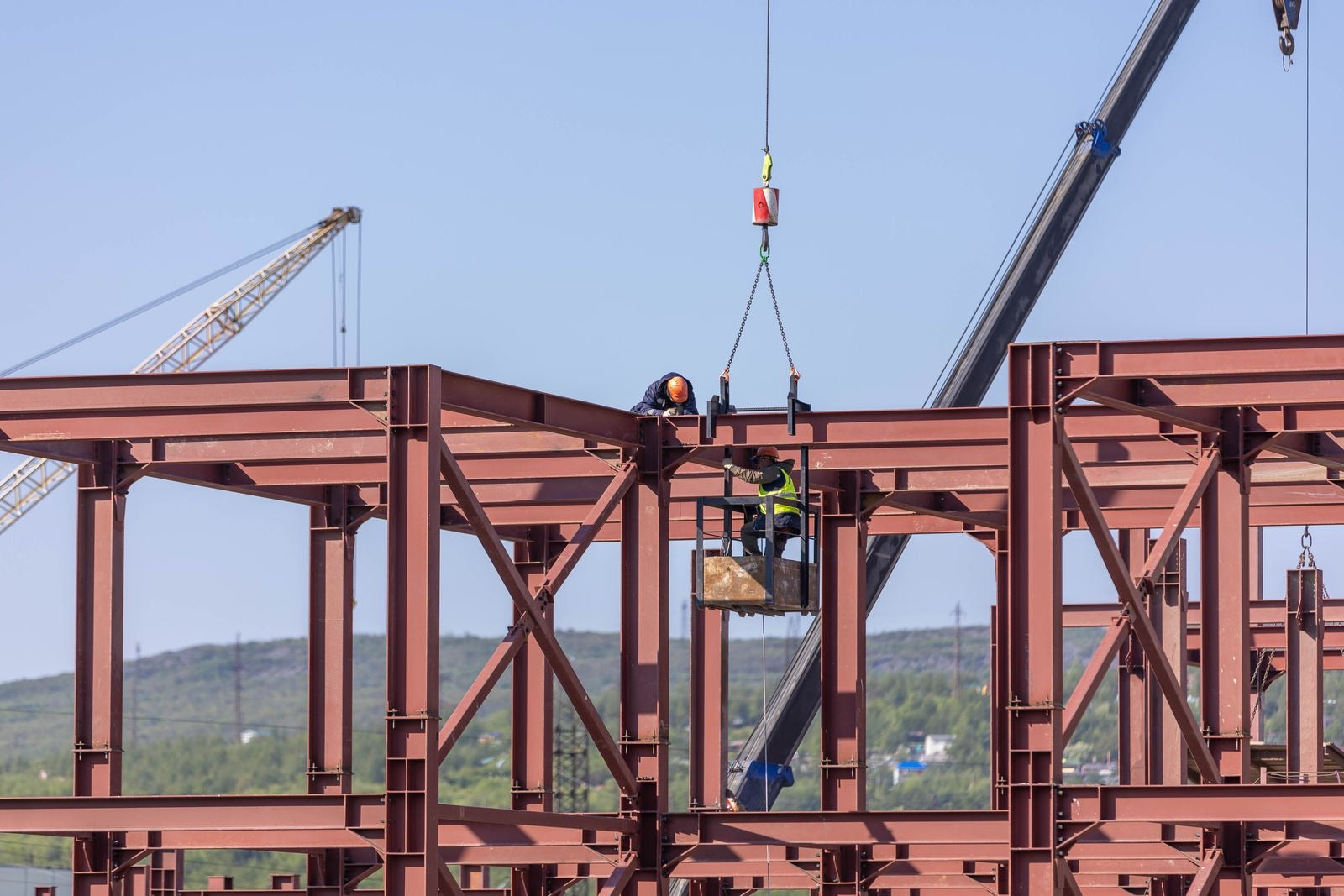

Think about a brand-new building that runs entirely on clean electricity: before its first day of operation, a large amount of carbon has already been emitted on its behalf, because making its cement, steel, and other materials took energy and released emissions long before anything arrived on site. Those already-released emissions are the building's embodied carbon, and for years the industry paid far more attention to operating efficiency than to them. However, as grids get cleaner and buildings get more efficient, the share of lifetime emissions that is locked in before move-in keeps growing, and that is why embodied carbon has become a central topic in green building practice. This guide covers what embodied carbon is, how it differs from operational carbon and embodied energy, where it comes from, how it is calculated, how to reduce it, and the rules LEED v5 now attaches to it.
What is embodied carbon?
Embodied carbon is the greenhouse-gas emissions associated with producing and maintaining a building's physical fabric: extracting raw materials, manufacturing products like cement and steel, transporting them, constructing the building, and eventually maintaining, renovating, and disposing of it — everything except the emissions from operating the building.
The easiest way to hold the definition is to follow one material. Before a bag of cement reaches a site, limestone was quarried, hauled, and heated in a kiln at very high temperatures, which takes a great deal of fuel, and the chemical reaction in the kiln released additional carbon dioxide on top of the fuel's emissions. All of that happened away from the building, often in another country, and none of it will ever appear on the building's utility bills. Multiply that story across the steel, concrete, aluminum, glass, insulation, and finishes of a whole building and you have its embodied carbon. A related term you will meet, a building's carbon footprint, is the broader umbrella: embodied carbon is the part of the footprint that lives in the materials rather than the operations.
Embodied carbon vs operational carbon
Operational carbon is emitted while running the building (heating, cooling, lighting, equipment, year after year); embodied carbon is emitted making and maintaining the building itself. Together they form whole-life carbon, and the critical difference is timing: operational emissions can be reduced over the building's life, while embodied emissions are largely spent before occupancy.
| Question | Operational carbon | Embodied carbon |
|---|---|---|
| Where does it come from? | Energy used to run the building | Making, transporting, installing, and replacing materials |
| When is it emitted? | Continuously, across the building's life | Mostly up front, before the building opens |
| Can it be reduced later? | Yes: retrofits, cleaner grids, better operations | Barely: once built, the emissions have happened |
| Who controls it? | Owners and operators, every year | Designers and builders, during design and construction |
The timing row explains why the industry's attention shifted. For decades, operations dominated the ledger, and the American Council for an Energy-Efficient Economy (ACEEE) summarizes the modern picture: buildings and construction account for roughly 39% of global energy-related carbon emissions, with operations representing about 28% and embodied carbon the remaining 11%. However, efficiency work and cleaner grids keep shrinking the operational share, while embodied emissions are released in full before the building even opens. For a project being designed today, this means the embodied side can only be addressed now, during design, because there is no later opportunity to reduce it. That is exactly the thinking behind the carbon planning that LEED v5's required assessments now build into every project.
Ready to earn your LEED credential?
 200,000+ Learners and Counting


Embodied carbon vs embodied energy
Embodied energy is the older, narrower metric: the total energy consumed to produce a material or building. Embodied carbon measures the greenhouse-gas emissions instead, which is the number the climate actually responds to, and the two can diverge because energy sources differ in how much carbon they emit.
The distinction matters because the same amount of energy can carry very different climate consequences. A material manufactured with hydroelectric power and an identical one manufactured with coal power may have similar embodied energy and very different embodied carbon. There is also the reverse surprise: some materials carry emissions that are not energy-related at all, cement again being the famous example, because its kiln chemistry releases carbon dioxide independent of the fuel. Embodied energy remains a useful concept, and you will still meet it in older references, but the industry's measurement, policy, and certification systems have converged on carbon as the metric, for the simple reason that carbon is what accumulates in the atmosphere.
Where embodied carbon comes from
A building's embodied carbon concentrates in its structure and envelope: concrete, steel, and aluminum are the heavyweight contributors because their manufacture is energy- and process-intensive, with ACEEE noting that iron and steel production accounts for roughly 7% of US emissions and cement about 6%.
This concentration is actually good news for designers, because it shows exactly where to focus. The structural frame and foundations typically carry the largest single share of a new building's embodied carbon, which makes structural material choices one of the most powerful decisions available. The envelope comes next, then the repeating interior elements. There is also a slower stream that is easy to overlook: every renovation and replacement cycle through the building's life adds more embodied carbon, which is why durable, adaptable design is itself a carbon strategy. Transportation adds its share for heavy materials moved far. None of these contributions shows up at the meter, which is precisely why the discipline developed its own measurement tools, covered next.
How to calculate embodied carbon
Embodied carbon is calculated through life-cycle assessment (LCA): the building's materials are quantified, each material's emissions are drawn from data sources such as environmental product declarations (EPDs), and the results are summed across the life-cycle stages being studied, expressed in carbon-dioxide equivalents (CO2e).
In practice the calculation is a supply-chain accounting exercise, and its quality depends on its inputs. The quantities come from the design model or takeoffs; the per-material emission factors come from databases and from EPDs, the third-party-verified documents in which manufacturers report their products' measured impacts; and free calculators and LCA tools do the arithmetic at whole-building scale. Two reading habits keep results honest. First, check the scope: a "cradle-to-gate" number counts only through manufacturing, while fuller scopes add transport, construction, use, and end of life, so two numbers with different scopes cannot be compared directly. Second, remember that the data behind the emission factors varies in quality, so the results are better at comparing options than at promising exact totals; when two designs are compared with the same data and scope, the direction of the answer is usually reliable. It is the same comparative logic that governs energy modeling on the operational side.
How to reduce embodied carbon
Embodied carbon is reduced in design order: build less (reuse existing buildings and structure, design efficiently), build lighter (optimize structures so they use less material), choose lower-carbon materials (low-carbon concrete mixes, responsibly sourced wood, high-recycled-content products), and source nearer when transport matters.
The order matters because it deals with the biggest numbers first. The lowest-carbon structure is the one that already exists: reusing a building, or even just its frame and foundations, avoids the largest single block of embodied emissions a project would otherwise create. Efficient design comes next, because every ton of material that is never used is emissions that are never released. Then come the material choices themselves: concrete mixes that replace a share of cement, mass timber where it suits the structure, higher recycled content in steel and aluminum, and insulation chosen with its manufacturing impacts in mind. Product-level data is what turns these choices into verifiable decisions, because comparing EPDs is how a team finds the lower-carbon option within the same material category. The strategies compound, and the earlier they enter the design conversation, the more of them remain available.
Embodied carbon in LEED v5
LEED v5 made embodied carbon mandatory: the Quantify and Assess Embodied Carbon prerequisite (MRp2) is required on every BD+C project, the Reduce Embodied Carbon credit (MRc2) rewards reductions with 6 points on New Construction, and the required Carbon Assessment (IPp3) puts embodied carbon inside every project's 25-year carbon projection.
The structure tells you how seriously the rating system takes the timing problem. Measurement is the floor: no v5 BD+C project certifies without quantifying and assessing its embodied carbon, so the topic is no longer optional for anyone pursuing certification. Reduction is then rewarded where the floor leaves off, with MRc2 among the larger credits in the Materials and Resources category. And the whole-life framing is built in from the project's first step: the Carbon Assessment that opens every v5 project looks 25 years ahead, projecting the building's carbon across energy, refrigerants, embodied carbon, and transportation, while the required Operational Carbon Projection and Decarbonization Plan (EAp1) covers the operational side. Across the v5 generation, carbon, not just energy, is the organizing idea, and embodied carbon is where that shift is most visible. For exam candidates, this topic rewards systems-level understanding over memorization, which is how our LEED Green Associate Complete Exam Prep Pack teaches the whole materials-and-carbon story, with our flashcards keeping the prerequisite-versus-credit facts ready for exam day.
Ready to earn your LEED credential?
200,000+ Learners and Counting
Frequently Asked Questions
What is embodied carbon in simple terms?
The greenhouse-gas emissions created by making a building: extracting, manufacturing, and transporting its materials, building it, and maintaining and replacing its parts over time. It is all the carbon a building is responsible for apart from the energy used to operate it.
What is the difference between embodied carbon and operational carbon?
Operational carbon comes from running the building (heating, cooling, lighting) and is emitted continuously over its life; embodied carbon comes from making and maintaining the building's fabric and is mostly emitted up front. Together they form the building's whole-life carbon.
What is the difference between carbon footprint and embodied carbon?
A carbon footprint is the umbrella term for all emissions attributable to something. For a building, the footprint splits into operational carbon (from running it) and embodied carbon (from its materials and construction), so embodied carbon is one part of the footprint.
How is embodied carbon calculated?
Through life-cycle assessment: quantify the materials, apply per-material emission factors from databases and environmental product declarations (EPDs), and sum the results in CO2e across the chosen life-cycle scope. Always check the scope, since cradle-to-gate and whole-life numbers are not comparable.
How can embodied carbon be reduced?
In design order: reuse existing buildings and structure, design material-efficient structures, choose lower-carbon materials (low-carbon concrete, responsibly sourced wood, high recycled content), and source heavy materials closer to the site. The earlier these decisions happen, the more they can save.
Why does embodied carbon matter more now?
Because the operational side is improving: efficiency and cleaner grids keep cutting operating emissions, while embodied emissions are paid in full before occupancy and cannot be reduced afterward. The cleaner operations get, the larger the embodied share of a building's lifetime emissions becomes.
Is embodied carbon on the LEED Green Associate exam?
Yes, as core materials-and-carbon content: know the definition, the embodied-versus-operational distinction, and that v5 requires every BD+C project to quantify and assess embodied carbon, with additional points for reducing it.
Is embodied carbon on the LEED AP BD+C exam?
Yes, at project depth: the v5 exam expects familiarity with the Quantify and Assess Embodied Carbon prerequisite (MRp2), the Reduce Embodied Carbon credit (MRc2), and how the 25-year Carbon Assessment ties embodied and operational carbon into one projection.

Life Cycle Assessment (LCA): Buildings Guide [2026]
Life cycle assessment explained for buildings: the stages and scopes, the four ISO phases, whole-building LCA, LCA vs EPD, and the role LEED v5 gives it.

Environmental Product Declaration (EPD) Guide [2026]
The environmental product declaration (EPD) explained: the LCA-based impact report, how one is made and verified, EPD vs LCA vs HPD, and the LEED connection.

Health Product Declaration (HPD) Explained [2026]
The health product declaration (HPD) explained: what the ingredient-disclosure report shows, the Open Standard behind it, HPD vs Declare vs EPD, and LEED.
