

Recycled Concrete Aggregate: Uses, Properties & LEED [2026]
 A. Togay Koralturk
Last updated on October 27, 2026
8 min read
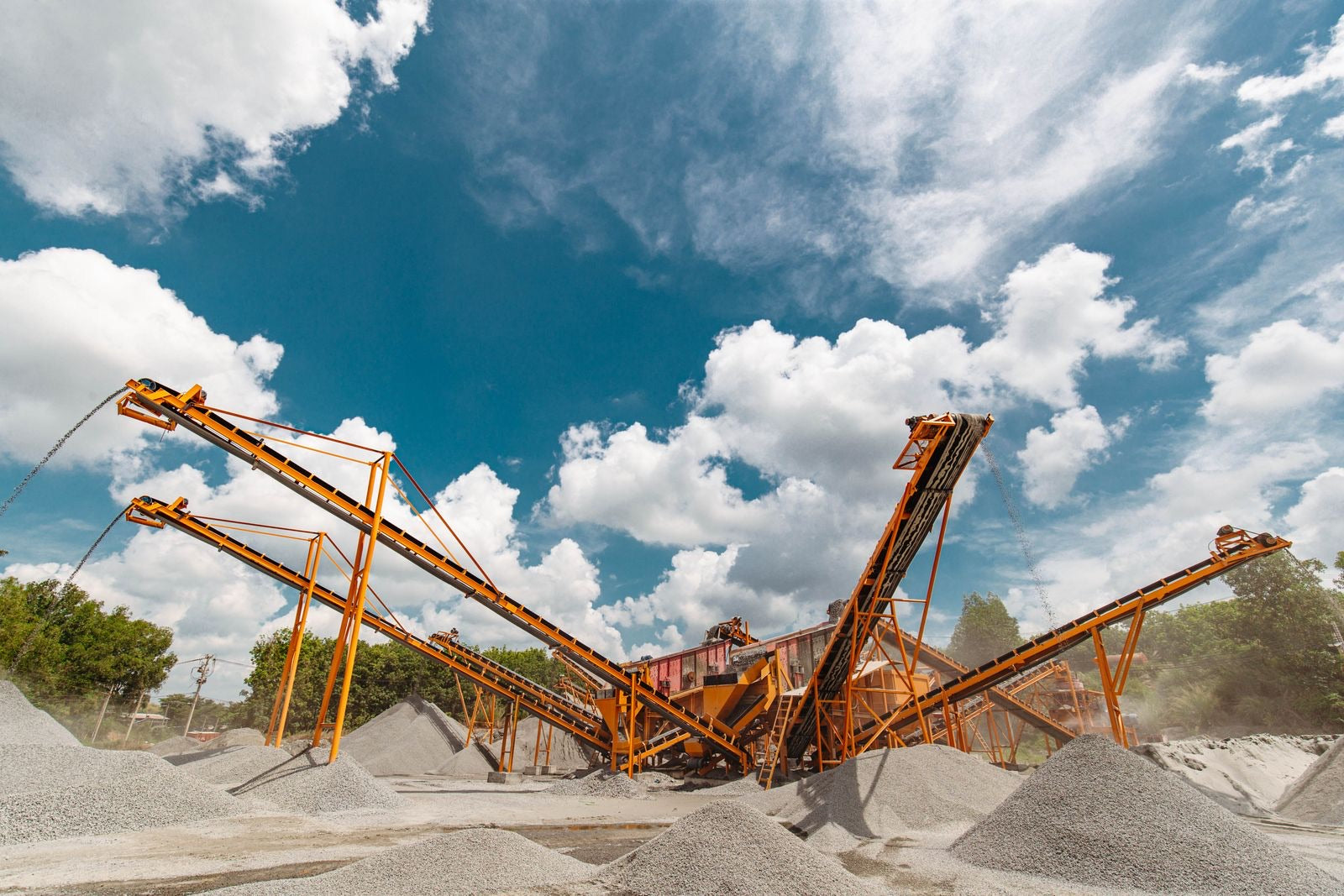

Every concrete road, parking slab, and building eventually reaches the end of its life, and when it does, it becomes some of the heaviest waste a project produces. For a long time, the default destination for that rubble was a landfill, paid for by the ton. Today, much of it takes a different route: it goes through a crusher and comes back as recycled concrete aggregate, ready to support the next road or building. This guide covers what recycled concrete aggregate is, how concrete is recycled, what RCA is used for, how its properties compare with natural aggregate, whether it is environmentally friendly, and how it counts in LEED v5.
What is recycled concrete aggregate?
Recycled concrete aggregate (RCA) is concrete from demolished pavements, foundations, and structures that has been crushed, separated from its reinforcing steel, and screened into graded sizes. It replaces natural crushed stone or gravel as aggregate in new construction, most often as a base material.
To understand the term, it helps to start with aggregate itself: the sand, gravel, and crushed stone that make up the bulk of concrete and that also form the compacted layers beneath roads, parking lots, and building slabs. Natural aggregate comes from quarries and gravel pits. Recycled concrete aggregate comes from the built environment instead, which is why people often simply call it recycled concrete or crushed concrete.
The distinction between those names is worth a moment. "Crushed concrete" describes the physical material, and it is sold widely for driveways and landscaping. "Recycled concrete aggregate" is the engineering term for the same material when it is processed to a specified gradation and used as a construction aggregate. This guide focuses on that engineering use, which is also where the material connects to green building and LEED.
Can concrete be recycled?
Yes. Concrete is recycled by crushing it in stages, removing the reinforcing steel with magnets, and screening the crushed material into the sizes a project needs. The result is a usable aggregate, and the recovered steel is recycled separately.
The Federal Highway Administration (FHWA) describes the process in a clear sequence. A primary crusher breaks the concrete into pieces and frees the reinforcing steel. As the material moves along a conveyor, an electromagnetic separator pulls the steel out. A secondary crusher then breaks the concrete down further, and screens sort it into the desired gradation, with coarse and fine fractions stockpiled separately so they do not mix unevenly.
The scale of this activity is large. According to the EPA, the United States generated about 600 million tons of construction and demolition (C&D) debris in 2018, and more than 313 million tons of that debris went on to be used as aggregate. That figure covers all C&D materials rather than concrete alone, but it shows how central aggregate is as a destination for demolition waste. Our guide to construction waste management explains how projects plan for this kind of diversion.
Ready to earn your LEED credential?
 200,000+ Learners and Counting


What is recycled concrete aggregate used for?
Recycled concrete aggregate is used mainly as a base layer under roads, parking lots, driveways, and slabs. It is also used as general fill and embankment material, and in some states as aggregate in new concrete and asphalt pavements.
According to the FHWA's survey of state transportation agencies, the principal application of recycled concrete aggregate in the United States has been as a base material, and concrete is routinely recycled back into the highway environment. Its use as aggregate in new concrete and asphalt is less widespread: in that survey, 11 states reported using it in new concrete pavement, while most reported base applications.
| Use of recycled concrete aggregate | How common it is | Why it suits the job |
|---|---|---|
| Road and parking-lot base | The most common use | Compacts into a stable layer that supports pavement above |
| Driveway and slab base | Common | The same base role on a smaller scale |
| General fill and embankments | Common | A dense, durable replacement for quarried fill |
| Aggregate in new concrete | Less common | Possible with mix adjustments for the material's higher absorption |
| Aggregate in asphalt | Less common | Used by some states in their pavement mixes |
Can you use recycled concrete for a driveway? Yes, as a base layer it is a common choice, for the same reasons it works under highways. The practical point is quality: material produced to a specified gradation and free of contaminants performs far more consistently than unscreened rubble.
Properties of recycled concrete aggregate
RCA differs from natural aggregate mainly because old cement mortar stays attached to the crushed particles. That mortar gives RCA a rougher texture, a lower specific gravity (it is lighter), and higher water absorption. Its soundness and load-bearing values are comparable to conventional aggregate.
The FHWA's guidelines explain these properties in detail. Because mortar remains attached to the original stone, processed recycled concrete has a rougher surface texture, a lower specific gravity, and higher water absorption than comparably sized virgin aggregate. The FHWA reports specific gravity of about 2.2 to 2.5 for coarse particles and 2.0 to 2.3 for fine particles, with absorption of about 2 to 6 percent for coarse particles and 4 to 8 percent for fines. The finer the particles, the more mortar they carry, so fine RCA is the lightest and most absorbent fraction.
What does that mean in practice? For base layers, these differences matter little, and the FHWA notes that RCA's soundness and California Bearing Ratio (a measure of load-bearing strength) are comparable to conventional aggregate, while its resistance to abrasion is somewhat lower. RCA is also generally more permeable than natural sand, gravel, or crushed limestone. For new concrete, however, the higher absorption means the mix design must account for the extra water the aggregate soaks up, which is one reason fewer states use RCA in new concrete than in base layers.
Is recycled concrete any good? For its main uses, yes. The two cautions are consistency and contamination. Concrete from roads may contain chlorides from deicing salts, and mixed demolition debris can carry wood, plastic, or other material, so producers screen and test RCA to meet the specification for its intended use.
Is recycled concrete aggregate environmentally friendly?
Yes, in most cases. Using RCA keeps heavy demolition waste out of landfills and reduces the need to quarry and haul new aggregate. Its benefits are largest when the concrete is crushed on or near the project site, which also cuts truck traffic.
The environmental case rests on two avoided impacts. The first is disposal: concrete is dense and bulky, so landfilling it consumes space and transport. The second is extraction: every ton of recycled aggregate is a ton of stone that did not have to be quarried, processed, and trucked from a pit. When demolished concrete is crushed on site and reused on the same project, both savings arrive at once.
That said, RCA is not impact-free. Crushing uses energy and produces dust and noise that need controlling. It also helps to keep the carbon picture in proportion: most of concrete's carbon footprint comes from the cement that binds it, not from the aggregate. Recycled aggregate therefore has a real but modest effect on embodied carbon; reducing cement content does far more, as our guide to sustainable building materials explains.
Recycled concrete aggregate in LEED v5
In LEED v5, sending demolition concrete to be crushed into aggregate counts as recycling in the Construction and Demolition Waste Diversion credit (MRc5). Concrete that is kept separate on site and sent to a concrete recycler also helps a project meet the credit's requirement for a share of source-separated material.
The Construction and Demolition Waste Diversion credit (MRc5) is worth up to 2 points in LEED v5. It asks projects to develop and follow a materials management plan and to report how much construction and demolition material they divert from landfills. In LEED v5 BD+C, the first point requires diverting at least half of the project's total C&D material, with at least 10 percent of the diverted material either salvaged or source-separated and sent to single-material recyclers; the second point raises those thresholds to three-quarters of the material and 25 percent. Concrete is one of the easiest materials to meet that standard with: it is heavy, so it moves the diversion percentage by weight, and when it is kept separate on site and sent to a concrete recycler, it counts toward the source-separated share the credit requires.
LEED v5 also draws a useful line between recycling and reuse. Materials salvaged and reused on the project itself are counted in the Building and Materials Reuse credit (MRc1) rather than in MRc5, which reflects LEED's preference for keeping materials in use with as little processing as possible. Our guide to recycled content explains that same reuse-over-recycling hierarchy from the product-selection side.
For exam candidates, RCA is a practical example of the waste hierarchy and diversion concepts the LEED exams test. Our LEED Green Associate Complete Exam Prep Pack teaches the Materials and Resources category through that reasoning, and it carries our passing guarantee.
Ready to earn your LEED credential?
200,000+ Learners and Counting
Frequently Asked Questions
What is recycled concrete aggregate made of?
It is made of crushed concrete from demolished pavements, slabs, and structures. Each particle is natural stone from the original concrete with some old cement mortar still attached, after the reinforcing steel has been removed.
Can aggregates be recycled?
Yes. Concrete and asphalt are routinely crushed and screened into recycled aggregate, and the EPA reports that more than 313 million tons of US construction and demolition debris went to aggregate as its next use in 2018.
Is recycled concrete as strong as natural aggregate?
For base layers, its soundness and load-bearing values are comparable to conventional aggregate. It is lighter and absorbs more water, so using it in new concrete requires adjusting the mix design.
Can you use recycled concrete for a driveway?
Yes. Recycled concrete aggregate is commonly used as the base layer for driveways, parking areas, and roads. Material produced to a specified gradation and free of contaminants performs most consistently.
What is the difference between recycled concrete and crushed concrete?
They are the same material. Crushed concrete describes the material itself, while recycled concrete aggregate is the engineering term for crushed concrete processed to a specified gradation for construction use.
Is recycled concrete aggregate on the LEED Green Associate exam?
Yes, as an example of construction waste diversion and recycled materials. Candidates should understand how demolition concrete is diverted from landfills and why reuse ranks above recycling.
Is recycled concrete aggregate on the LEED AP BD+C exam?
Yes, in more depth. AP BD+C candidates should know how crushed concrete counts toward the Construction and Demolition Waste Diversion credit of LEED v5 and how source separation affects diversion.
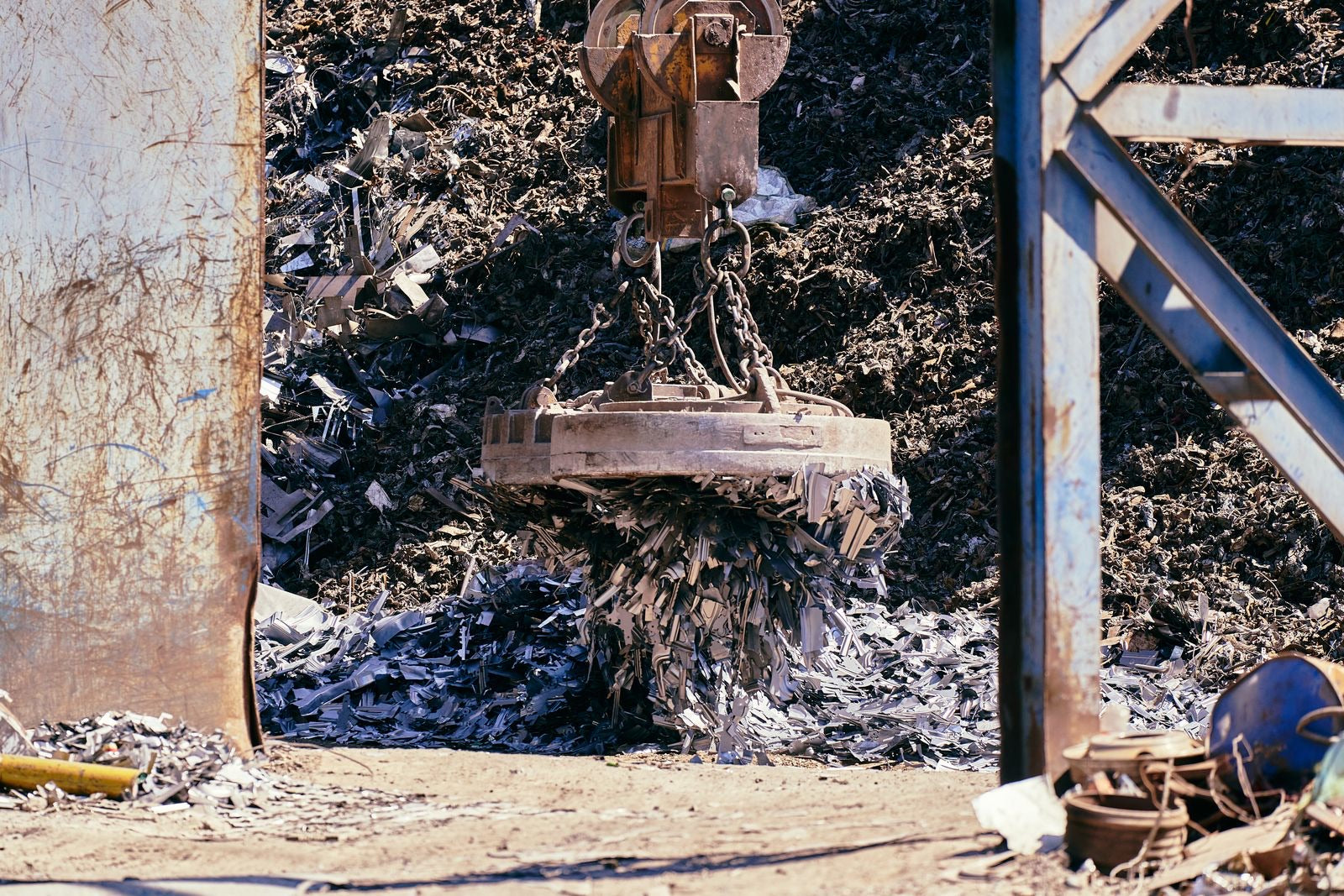

Recycled Content: Pre- vs Post-Consumer & LEED [2026]
Recycled content explained: pre-consumer vs post-consumer material, how claims are verified, common recycled-content building materials, and its LEED v5 role.

Cradle to Cradle: Design Concept & Certification [2026]
Cradle to cradle explained: the design concept, how it differs from cradle to grave, how Cradle to Cradle Certified works, and how it counts in LEED v5.
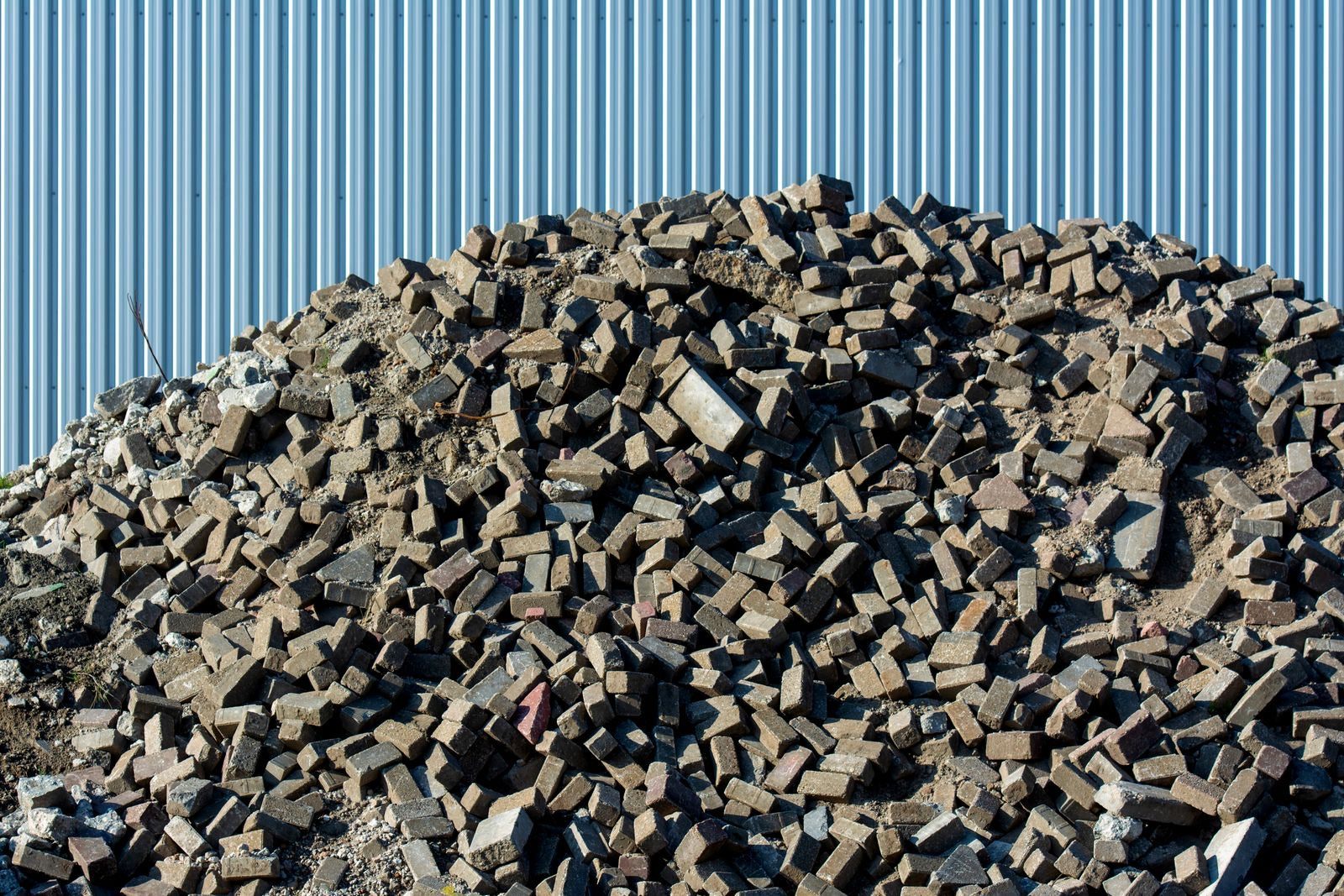

Construction Waste Management: Plan & LEED [2026]
Construction waste management explained: what a waste management plan includes, how to minimize and recycle C&D waste, and how LEED rewards diversion.
